Factory Direct From Dongguan
Custom Metal and Plastic Parts Manufacturer in China
Send your drawing and get a reply within 24 hours. We make stamped, machined and molded parts, plus the casting, finishing and assembly work around them, in our own factory in Dongguan.
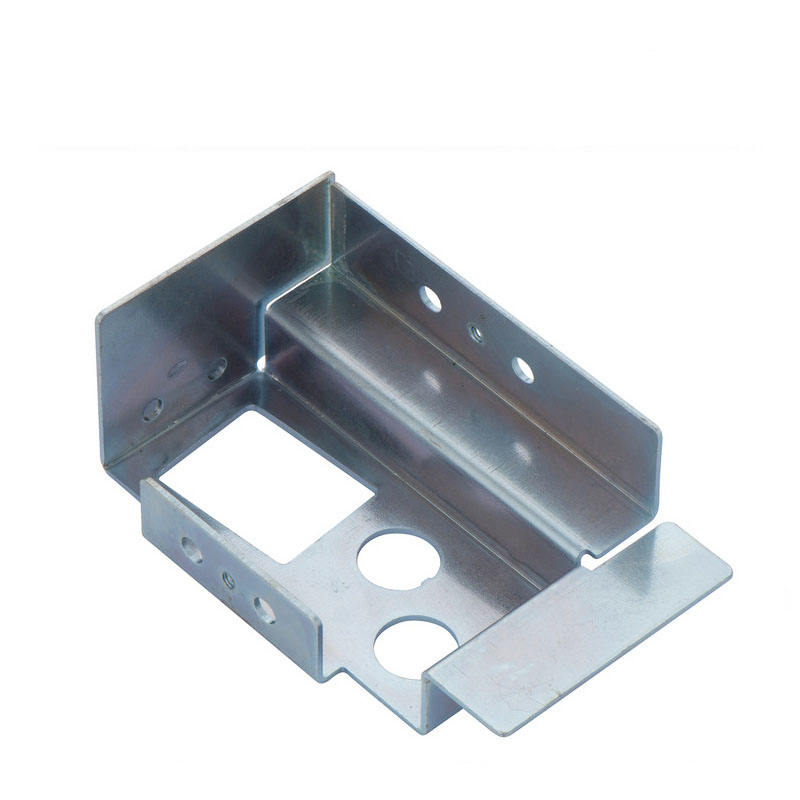
- Stamped brackets, terminals and clips for repeat batches of formed sheet parts
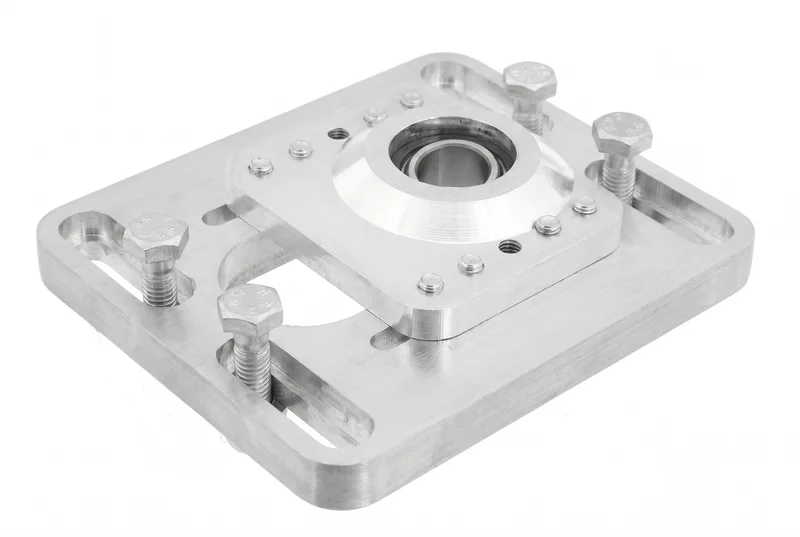
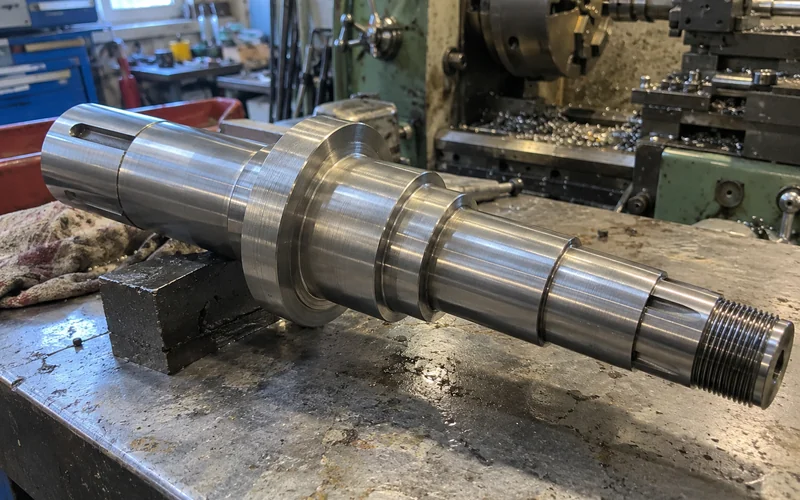
- CNC machined housings, shafts and plates in metal or plastic
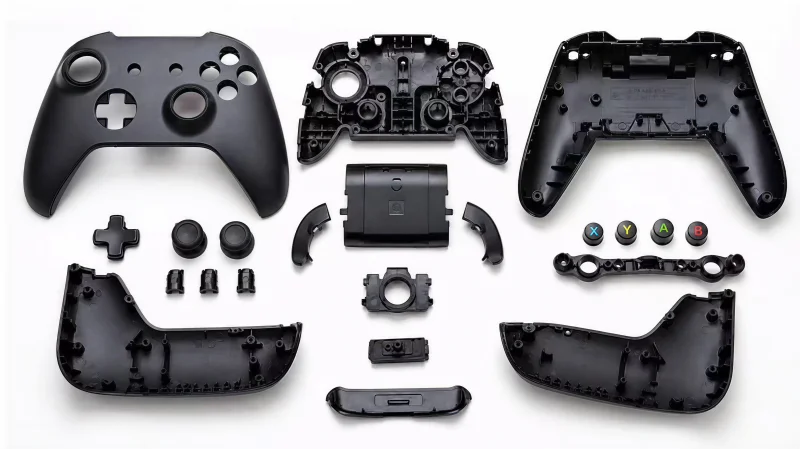
- Injection molded housings, covers and clips made to your drawing
- In-house production
- ISO 9001
- 24h quote response
- 80+ countries
Parts We Make
Custom parts, made to your drawing
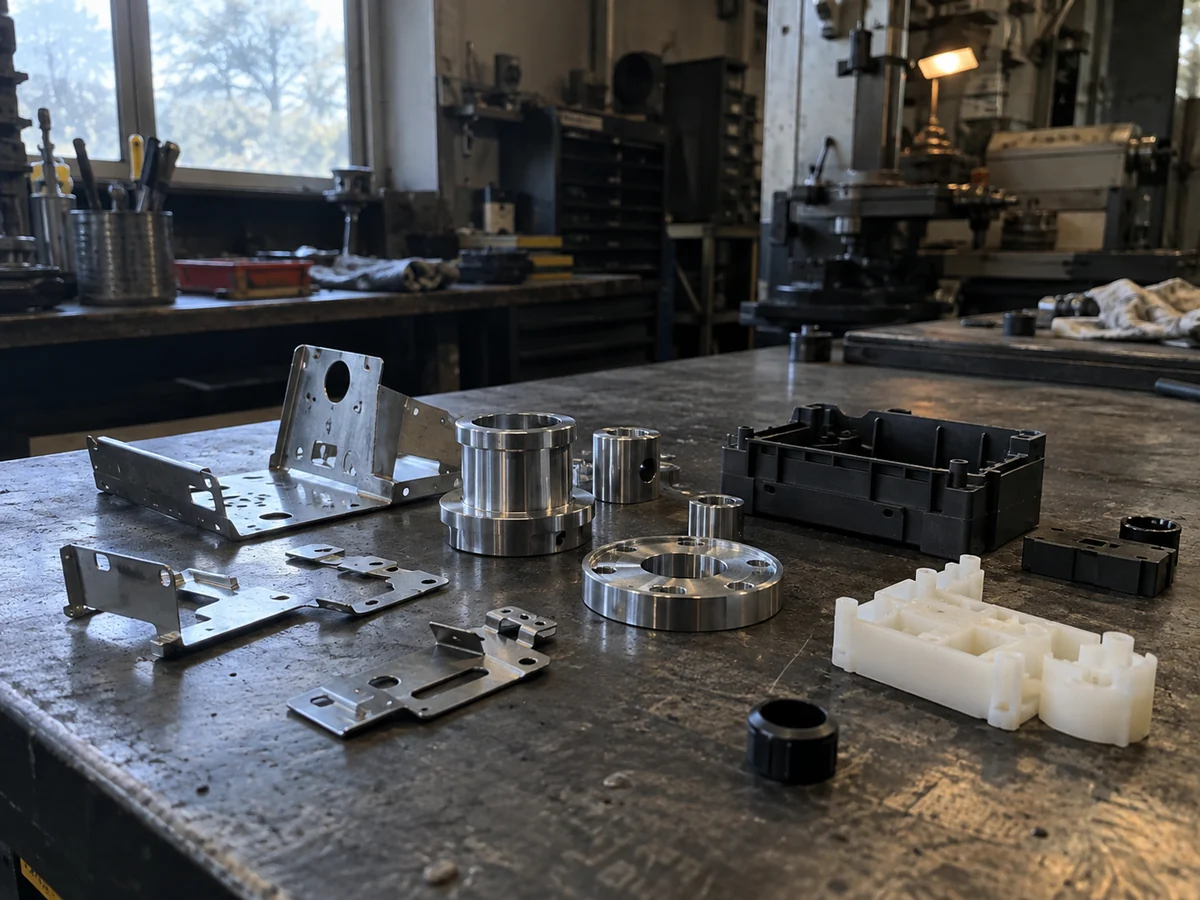
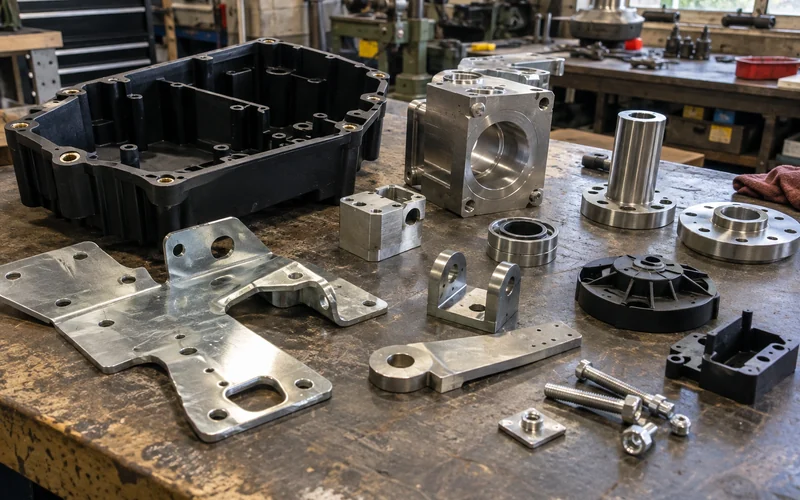
Everything we make starts from a customer drawing, not a catalog. These are the part families buyers send us most, from formed sheet parts to machined and molded components.
02
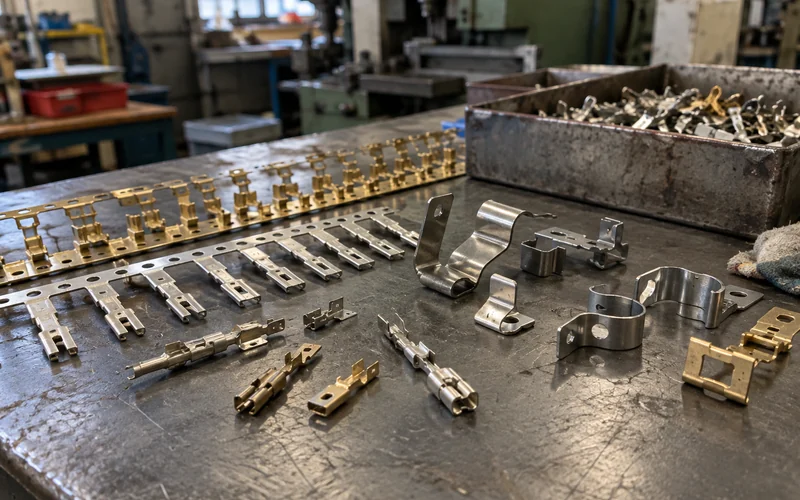
Terminals and clips
- Progressive die stamping
- Burr direction and spring-back on the contact
06
Multi-process assemblies
- Assembly of stamped, machined and molded parts
- Interfaces between parts from different processes
More part types, grouped by process, are in our custom parts gallery.
Have a part like one of these? Send the drawing and the quantity you need.
Find Your Process
Find the right process for your part
Pick the group that matches your part. Each line says when that page is the right place to start.
Not sure which group fits? Send the drawing anyway.
Metal Stamping
Stamping die, or no die?
Stamping is one of our three core services, next to CNC machining and injection molding. For sheet parts, the first question is whether a dedicated die pays off.
A die costs money once and then makes every part the same, fast. Laser cutting and bending need no die, so they suit small batches and designs that are still changing. We review your drawing before any die is built, and you approve a sample before production starts. For the full picture, see our China metal stamping service.
| Your part | Route | Start here |
|---|---|---|
| Repeat batches of flat or formed parts, design settled | Stamping with a progressive or single-stage die | Metal Stamping |
| Small batches, or a design still changing | Laser cutting and bending, no dedicated die | Laser Cutting, Metal Bending |
| Enclosures, frames and panels joined from several parts | Cutting, bending, welding or riveting | Sheet Metal Fabrication, Metal Welding |
| Flat springs and clips | Still stamping | Metal Stamping |
| Compression, extension and torsion springs, wire forms | Spring forming | Spring Manufacturing |
Route Stamping with a progressive or single-stage die
Start here Metal Stamping
Route Laser cutting and bending, no dedicated die
Start here Laser Cutting, Metal Bending
Route Cutting, bending, welding or riveting
Start here Sheet Metal Fabrication, Metal Welding
Route Still stamping
Start here Metal Stamping
Route Spring forming
Start here Spring Manufacturing
Not Sure Yet
You do not need to pick the process first
Send the drawing, the quantity and what the part does. Parker suggests the route that fits, and if another process would serve you better, he says so. Next: who actually makes your parts.
Our Own Factory
One factory makes your sample and your production run
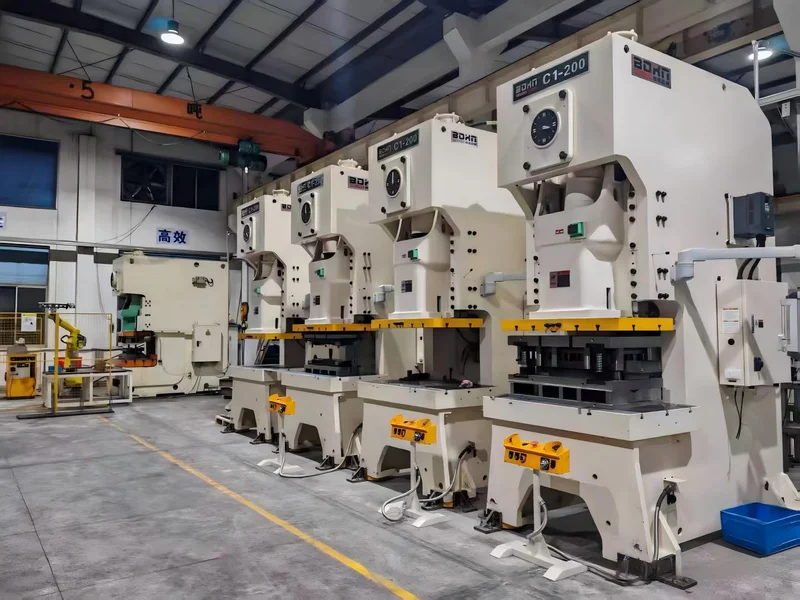
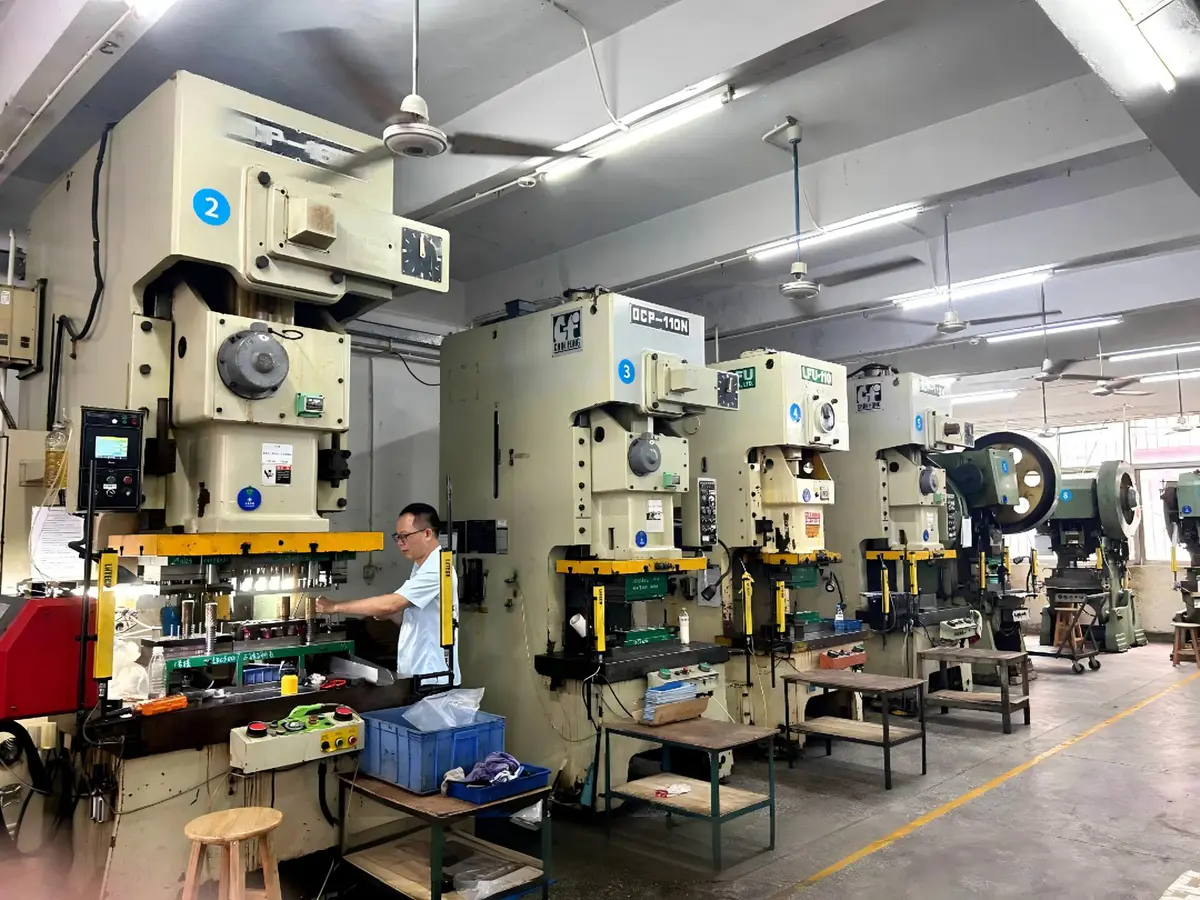
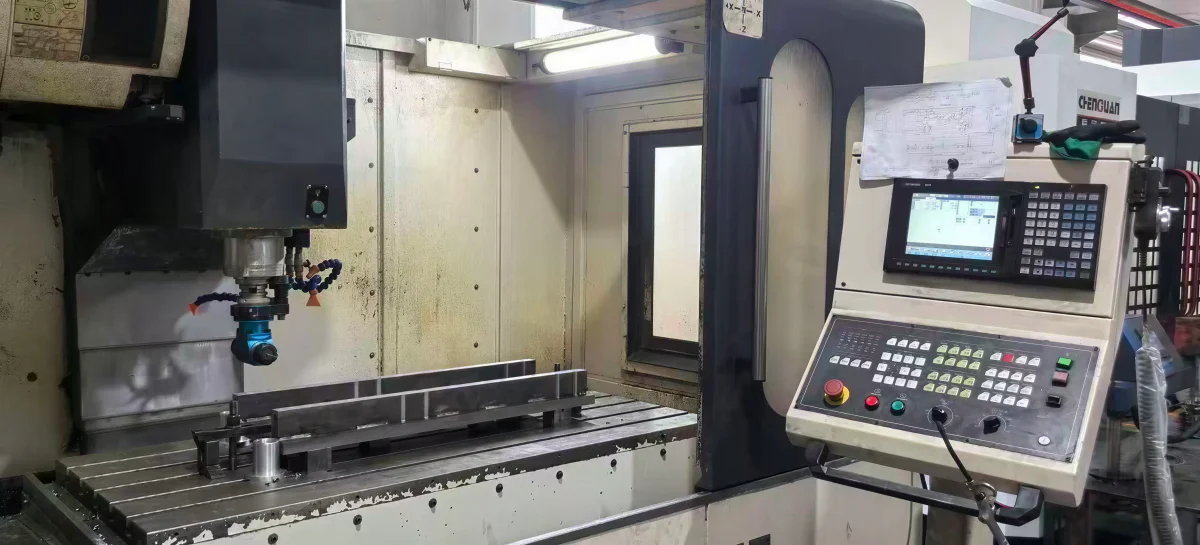
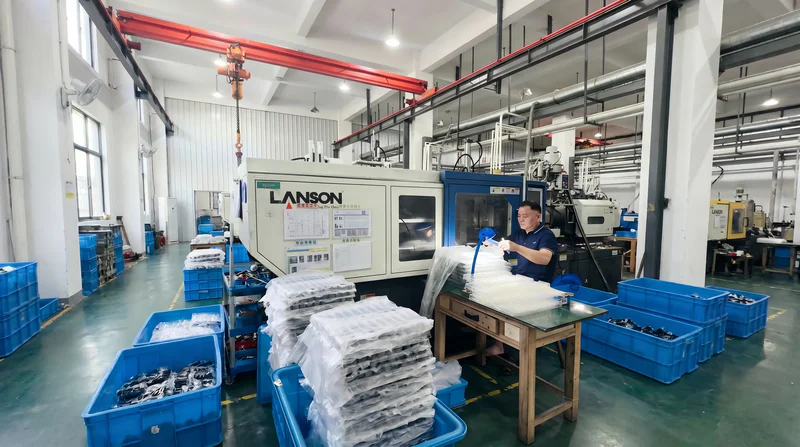
All production runs in our own factory in Humen, Dongguan: stamping, machining and molding, plus the casting, finishing and assembly work on our service pages.
We have made custom metal and plastic parts to customer drawings for more than 15 years. Nothing is sent out to another workshop, so the part you approve is the part you receive in volume.
- 2/F, No.12, Dapu Rd., Huaide, Humen Town, Dongguan, Guangdong 523926, China
- Mon to Sat, 9:00 to 18:00 (GMT+8)
- Parker, parkerzhang@hongyimfg.com
01
Sample and production, same factory
The team that makes your sample makes the production run, so an approved part does not drift when volume starts.
02
One BOM, one team
Stamped, machined and molded parts on one BOM are made to the same drawing revision and inspection standard, so the interfaces line up.
03
One contact, quote to shipment
Parker handles your drawings, samples and orders, so you are not coordinating several suppliers across time zones.
See the production areas and who does what inside our factory. Want the company background first? Read about HONGYI. Need parts delivered as a ready-to-install unit? See assembly.
How Projects Run
Four points where you sign off
From drawing to shipment, these are the points where you stay in control of cost, tooling and quality.
Drawing review and quote
Parker reviews every drawing and replies within 24 hours for complete drawings, flagging anything that drives cost or risk.
Tooling plan
For parts that need a die or mold, you approve the tooling plan before any tooling cost is committed.
Sample sign-off
Samples go through first article inspection against your drawing. Production starts only after you sign off.
Production and pre-shipment check
Parts are made to the signed-off sample and checked again before they ship.
We work under an ISO 9001 quality system, and your drawings and files stay confidential. How to set inspection points and records is covered under quality assurance and inspection; what is checked for each process is on our metal stamping, CNC machining and injection molding pages.
Have your own inspection points or acceptance criteria? Send them with the drawing.
What To Send
What to send for a firm quote
Two starting points, depending on whether the part is new or already in production somewhere else.
A new part
- 2D drawing with tolerances and revision
- 3D file, such as STEP
- Material and surface finish
- Quantity per batch and estimated annual volume
- Critical dimensions or inspection requirements
- What the part does and what it mates with
Moving an existing part or tooling
- Current drawing and revision
- A physical sample or clear photos
- What is going wrong now: size, looks, lead time or price
- Existing tooling: type, condition and drawings
- Any inspection records you already have
Several parts can go in one inquiry. If the mold itself is what you are buying, see injection mold tooling.
Common Questions
Questions buyers ask before they send a drawing
Short answers on how we work, before you share a drawing.
Are you a factory or a trading company?
A factory. Every part is made in our own factory in Humen, Dongguan, and nothing is sent out to another workshop.
Can one order include stamped, machined and molded parts?
Yes. One factory makes them to the same drawing revision and inspection standard, and Parker is your single contact. If you need them delivered as a unit, see assembly.
I am not sure which process my part needs. What should I send?
The drawing, the quantity and what the part does. Parker suggests a route, and says so if another process would serve you better. For early samples, see rapid prototyping.
Is tooling priced separately from the parts?
Yes. The quote shows tooling separately from the part price, together with material, finish and lead time, so you can see what the one-time cost buys.
Do you sign NDAs?
Your drawings and files stay confidential. If your project needs an NDA, tell us before you send confidential files.
Do you design and build the dies and molds?
Yes. We design and build stamping dies and injection molds in our own factory, and you approve the tooling plan before any tooling cost is committed. See stamping dies and injection mold tooling.
Can you take over parts and tooling from another supplier?
Often, yes. We first review the tooling condition, the drawing and your production goals, then compare the sample against the drawing to find any differences.
How do repeat orders stay the same as the approved sample?
Each repeat order is made to the approved drawing revision and checked against the signed-off sample. For planned small and repeat batches, see on demand manufacturing.
Do you make samples and small batches?
Yes. Prototypes, samples and low-volume production are part of our regular work. Send the quantity you need and the quote will reflect it.
Which certifications do you hold?
We work under an ISO 9001 quality system. If your industry requires a specific certificate, state it in your inquiry and we will answer it directly.
Request A Quote
Send your drawing to Parker
One contact for stamped, machined and molded parts. You get a reply within 24 hours.

Parker
Your Custom Parts Contact, HONGYI
I'm Parker. I review every drawing we receive, whether it is a stamped bracket, a machined housing or a molded cover. If you are not sure which process fits, send it anyway and I will suggest a route.
Add the material, the quantity and any inspection requirement you already know. If something on the drawing will cost you money for no reason, I will point it out with the quote.
- Reply within 24 hours
- In-house production
- Drawings kept confidential