
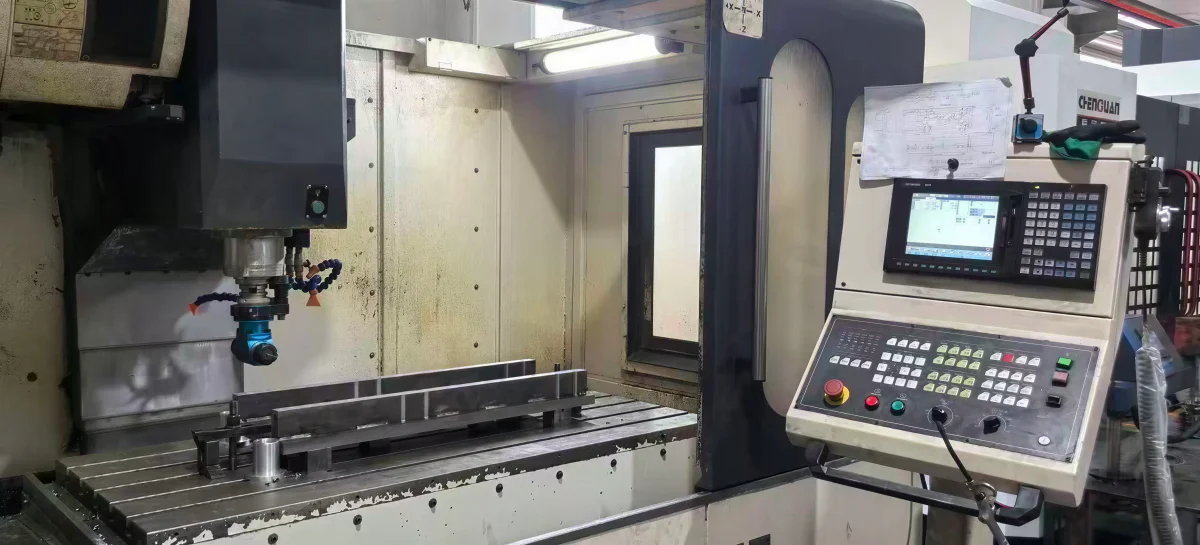
China Custom CNC Machining Service
Send your drawings, 3D files or samples. We machine the parts to your exact spec.
Every critical dimension, tolerance, material, and surface finish is reviewed before we cut metal, so the parts you receive match what you signed off on.
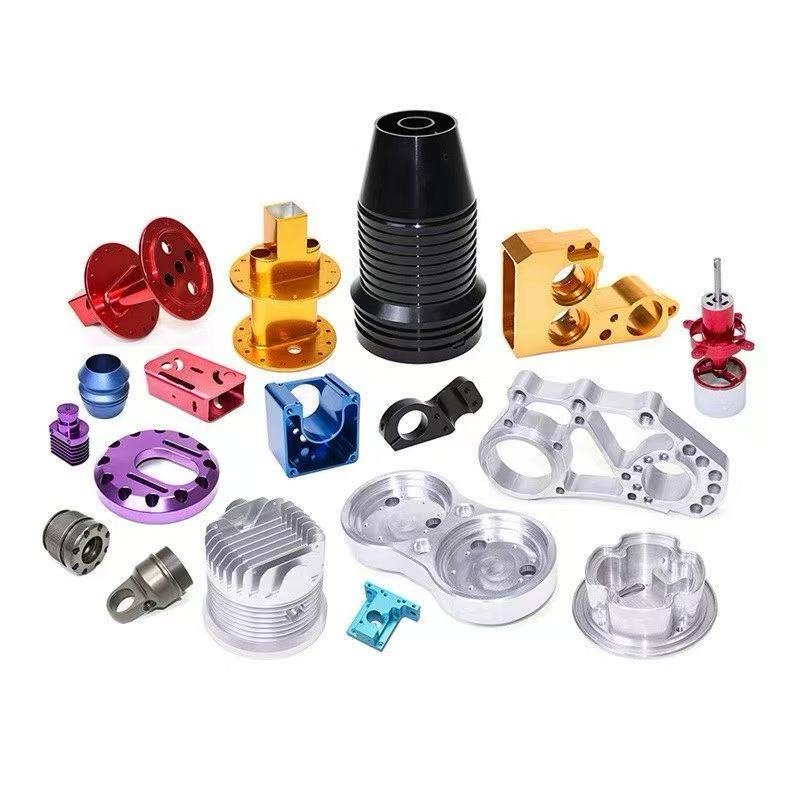
Quality Assured
Inspection Reports Provided
Everything You Need to Plan Your CNC Machining Project
Jump to any part of the page. Project risks, drawing review, capabilities, materials, finishes, quality, and exactly what to send for a quote.
CNC Project Risks
The failure modes that derail machining orders, and how we catch them early.
Is CNC Suitable?
See if CNC fits your part, volume, and tolerance before you commit.
Drawing & Tolerances
We review your drawings and critical dimensions before any cutting starts.
Machining Strategy
Milling, turning, or multi-axis. We set up to hold your tightest spec.
CNC Capabilities
Machine list, axis count, part envelope, and the tolerances we hold.
Machining Materials
Aluminum, steel, stainless, brass, titanium, and engineering plastics.
Surface Finishes
Anodizing, plating, bead blasting, powder coat, and passivation.
Quality Control
Checks at every stage, from first article to pre-shipment inspection.
Quality Documents
Dimensional reports, material certs, and records shipped with your parts.
Project Workflow
From quote and sample sign-off to packed, inspected, and shipped parts.
Common Questions
MOQ, lead time, tolerances, payment, and shipping, answered.
Request A Quote
Send your drawings, get pricing within 24h →
CNC Project Risks
Machined parts are judged by how they fit, assemble, and perform, not by how they look. Drawing interpretation, machining strategy, material behavior, and inspection methods all shape the final result.
Swipe to see all four risks →
Drawing Interpretation
A part can look correct while a critical requirement gets missed.
Datum references, tolerance callouts, threads, and surface requirements need to be read and confirmed before any cutting starts. We make sure your design intent is understood, not just your part shape.
Tolerance Requirements
Not every dimension carries the same weight.
Critical tolerances drive assembly, performance, and inspection results. We confirm which dimensions matter and check manufacturing feasibility before production begins.
Machining Stability
A good first sample does not guarantee repeatable parts.
Part geometry, setup planning, fixturing, and material behavior all affect whether dimensions hold across a full run. We plan for the production batch, not just the sample that gets approved.
Inspection Alignment
Measurement results depend on the method and the reference points used.
When inspection requirements are agreed up front, your incoming inspection and final assembly stay aligned with how the parts were measured here. Fewer disputes, fewer surprises.
Send Your Drawing, Get A Straight Answer
Upload your drawing, sample, or CAD file. We review datums, tolerances, threads, and surface requirements, flag anything that affects cost or feasibility, and send your quote within 24 hours.
Drawings kept confidential · Reply within 24h
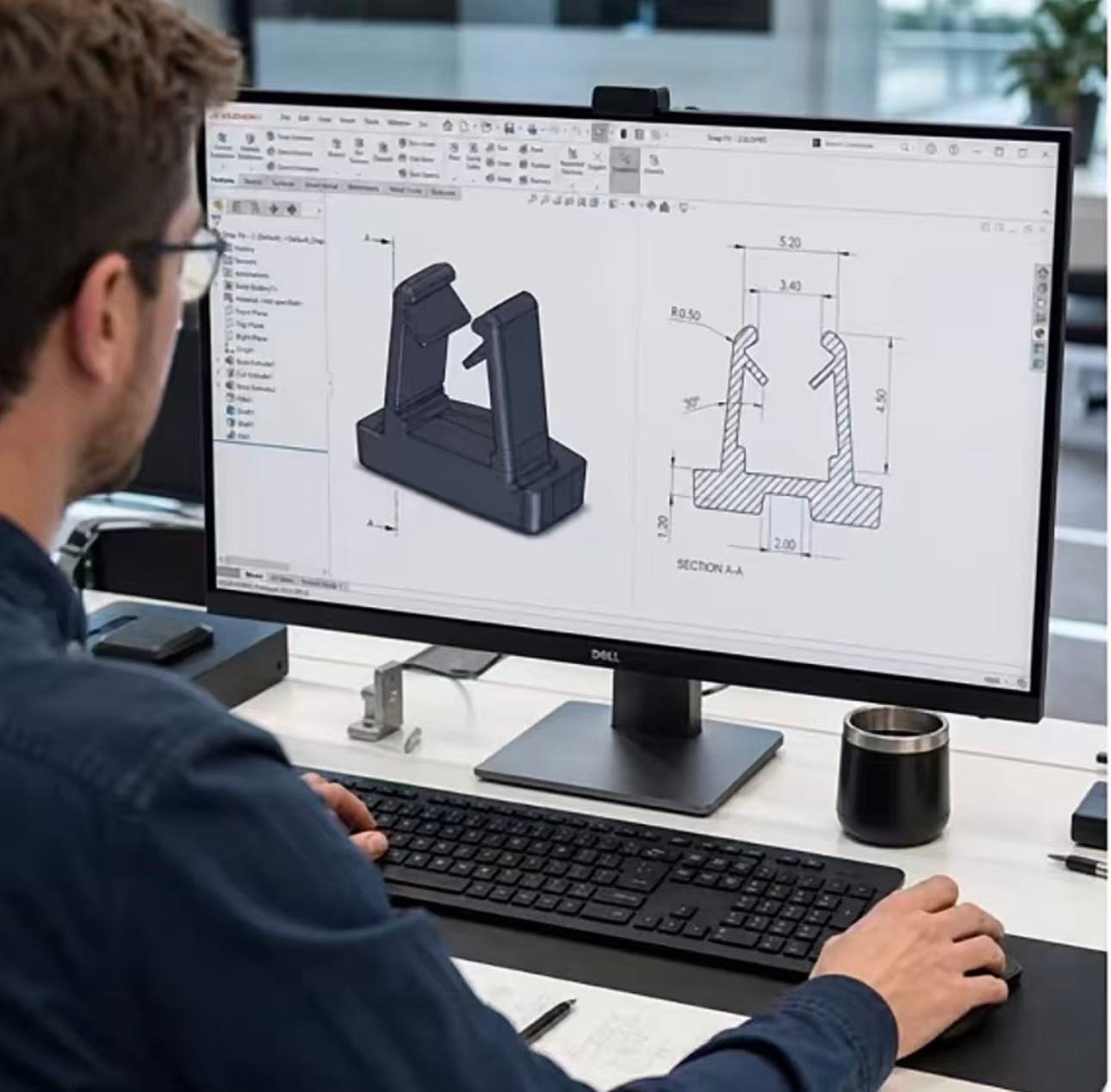
Every Project
Reviewed Before Machining
Drawing Review
Your part is built to your drawing. When we understand your design intent, critical features, and inspection expectations up front, you carry far less risk into machining and assembly.
Critical Features
Dimensions tied to assembly, sealing, positioning, movement, or performance are identified before machining begins.
Datum References
Datum structures are checked so manufacturing and inspection share consistent references across the project.
Drawing Notes
Threads, surface requirements, material specs, marking, and special instructions are read before production planning.
Inspection Requirements
Inspection expectations are agreed during review to support dimensional verification and production approval.
Tolerance Requirements
Your tolerances drive machining method, inspection planning, production efficiency, and cost. The goal is to match them to what the part actually needs to do, kept feasible to manufacture.
| Consideration | Why It Matters |
|---|---|
|
Functional Dimensions
|
Critical features usually need tighter control than non-functional dimensions, so we focus effort where it affects fit and function. |
|
Inspection Method
|
Measurement capability has to match the spec. A tolerance is only real if it can be verified the same way on both ends. |
|
Material Behavior
|
Different materials move differently during machining and finishing, so we account for that before locking in a process. |
|
Surface Finishing
|
Plating, anodizing, and similar steps can shift final dimensions, so finish allowances are planned into the tolerance, not added after. |
|
Production Volume
|
Tolerance choices ripple into manufacturing efficiency and inspection effort across the whole run, not just one part. |
|
Cost Impact
|
Tighter tolerances generally raise machining and verification cost, so we flag where a looser callout saves money without hurting function. |
Tolerances should follow function, not habit. Send your drawing and we will tell you which dimensions need tightening and which can open up to save cost.
Let Us Review The Numbers Before You Order
Send your drawing and we will tell you which dimensions need tight control, which can open up to save cost, and how your finish affects the final size, all before a single chip is cut.
- DFM feedback on your drawing
- Critical tolerances confirmed up front
- Quote back within 24 hours
CNC Capabilities
We make custom CNC parts across a wide range of geometries, materials, quantities, and finishes. Every job is reviewed against your drawings, tolerances, material, and end use.
Tap a tab, swipe cards to see more →
Different part features call for different methods. The process we pick affects accuracy, surface quality, efficiency, and cost.
CNC Turning
Shafts, bushings, sleeves, spacers, pins, threaded parts, and round components that need concentric features and tight diameters.
CNC Milling
Housings, plates, brackets, fixtures, enclosures, heat sinks, and parts with pockets, slots, holes, and complex milled features.
Multi-Axis CNC Machining
Parts with multiple faces, complex angles, or geometry that standard 3-axis machining struggles to finish, done in fewer setups.
Swiss Turning Machining
Small, slender, high-precision turned parts like pins, shafts, and connectors, held to tight tolerances in higher volumes.
Automatic Lathe Machining
Efficient repeat production of small round parts, where consistent quality and steady output across large runs is the priority.
Wire EDM
Precise cutting of hardened metals, sharp internal corners, fine slots, and complex profiles that milling and turning cannot reach.
A quick way to check whether your parts match what we make day to day.
Aluminum Housings
For electronics, industrial equipment, sensors, instruments, and mechanical assemblies.
Mounting Plates
For positioning, fastening, structural support, and equipment installation.
Shafts & Pins
For rotation, positioning, transmission, alignment, or mechanical connection.
Bushings & Sleeves
For guiding, spacing, wear resistance, or assembly support.
Heat Sinks
For thermal management in electronics, lighting, power devices, and industrial systems.
Fixtures & Tooling
For production support, assembly, testing, inspection, and automation equipment.
Precision Brackets
For mechanical support, positioning, mounting, and structural connection.
Custom Components
Anything machined from your drawings, samples, or CAD files.
CNC gives you flexibility across every stage of a project, from first prototype to repeat production.
Prototype Machining
For design validation, fit testing, functional testing, and engineering evaluation before you commit to production.
Low-Volume Production
For custom parts that need stable quality without paying for dedicated tooling.
Production Runs
Repeat manufacturing of approved parts with defined machining and inspection requirements.
Supplier Replacement
We review your existing parts from drawings, samples, current quality issues, cost targets, or volume needs.
Assembly-Ready Components
Secondary operations, finishes, cleaning, marking, and packaging handled to suit final use.
Most machined parts need a few more steps before they are ready to assemble or ship.
Surface Finishing
Anodizing, plating, powder coating, polishing, bead blasting, and passivation to suit your application.
Heat Treatment
When hardness, strength, wear resistance, or mechanical properties need to hit a spec.
Thread Inserts
When you need stronger or more durable threaded connections than the base material gives.
Laser Engraving / Branding
Part IDs, serial numbers, logos, branding, orientation marks, or traceability laser-marked permanently onto your parts.
Assembly
Simple assembly, fastening, fitting, or component integration to suit your project.
Cleaning & Packaging
Cleaned and packed to your surface, cosmetic, dimensional, and transport protection needs.
Not sure your part fits our scope? Send your drawing or sample and we will confirm it before you spend time on a full RFQ.
Send Your Drawing, We Confirm The Scope
Milling, turning, multi-axis, finishing, and assembly all run under one roof. Send your drawing, sample, or CAD file and we will confirm your part fits before you build a full RFQ.
Machining Materials
Your material drives machinability, strength, weight, corrosion resistance, stability, and finish. The right pick balances what your part has to do with how it is made.
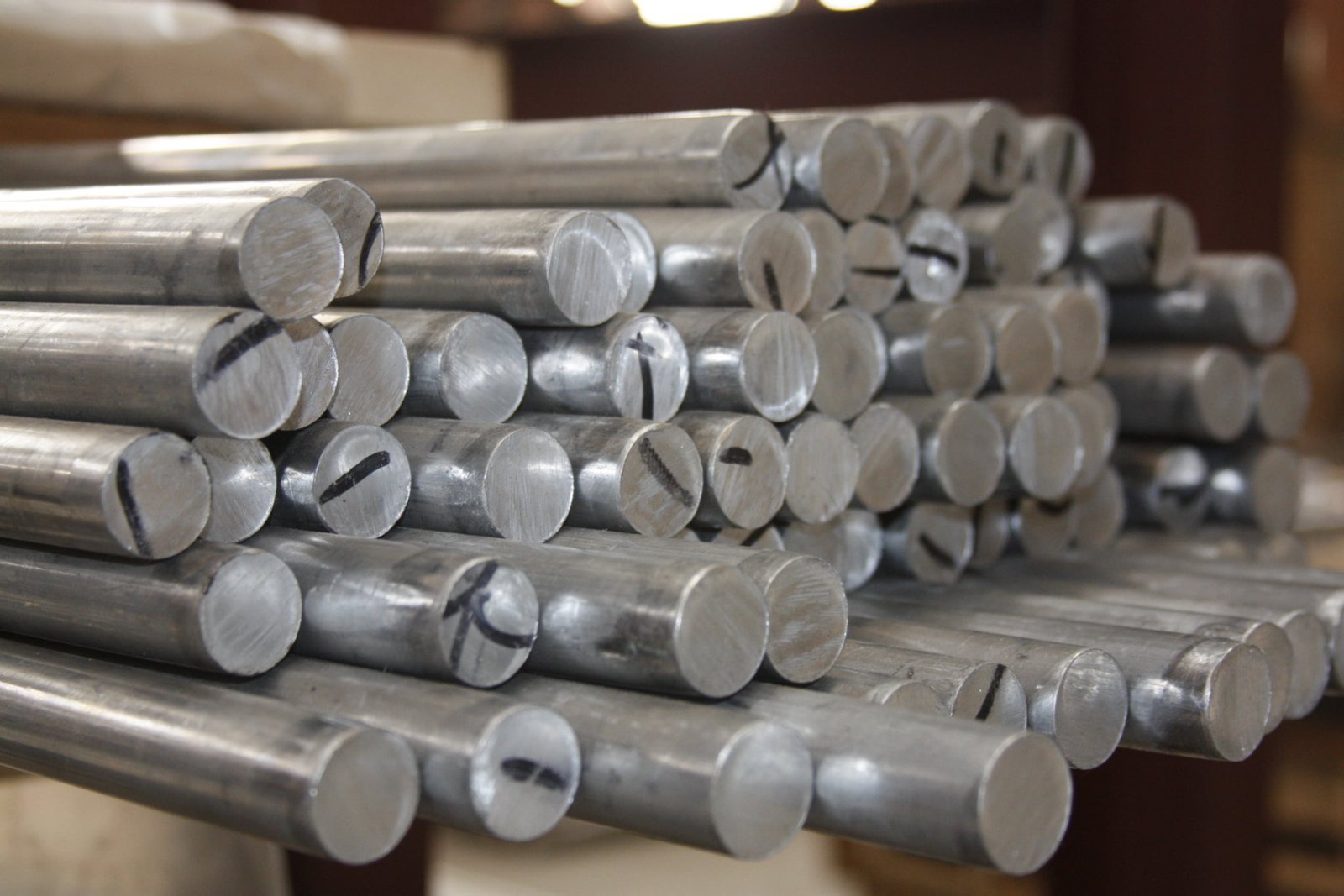
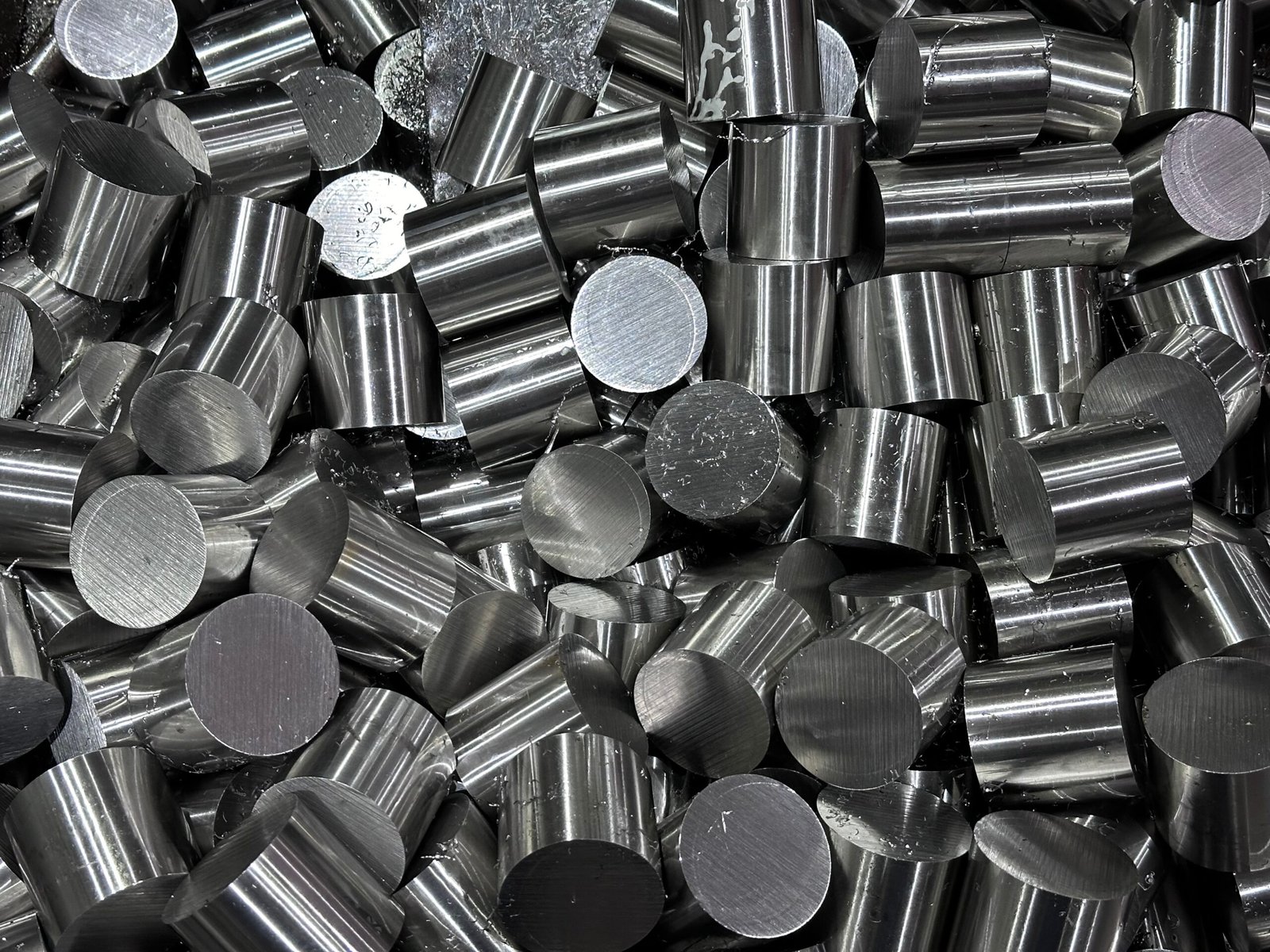
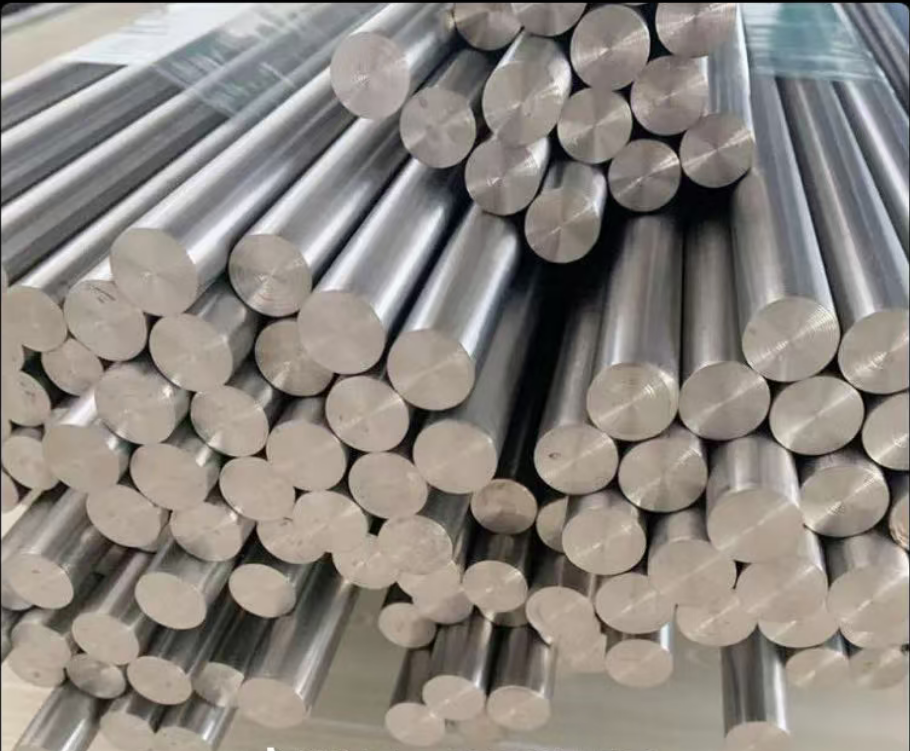
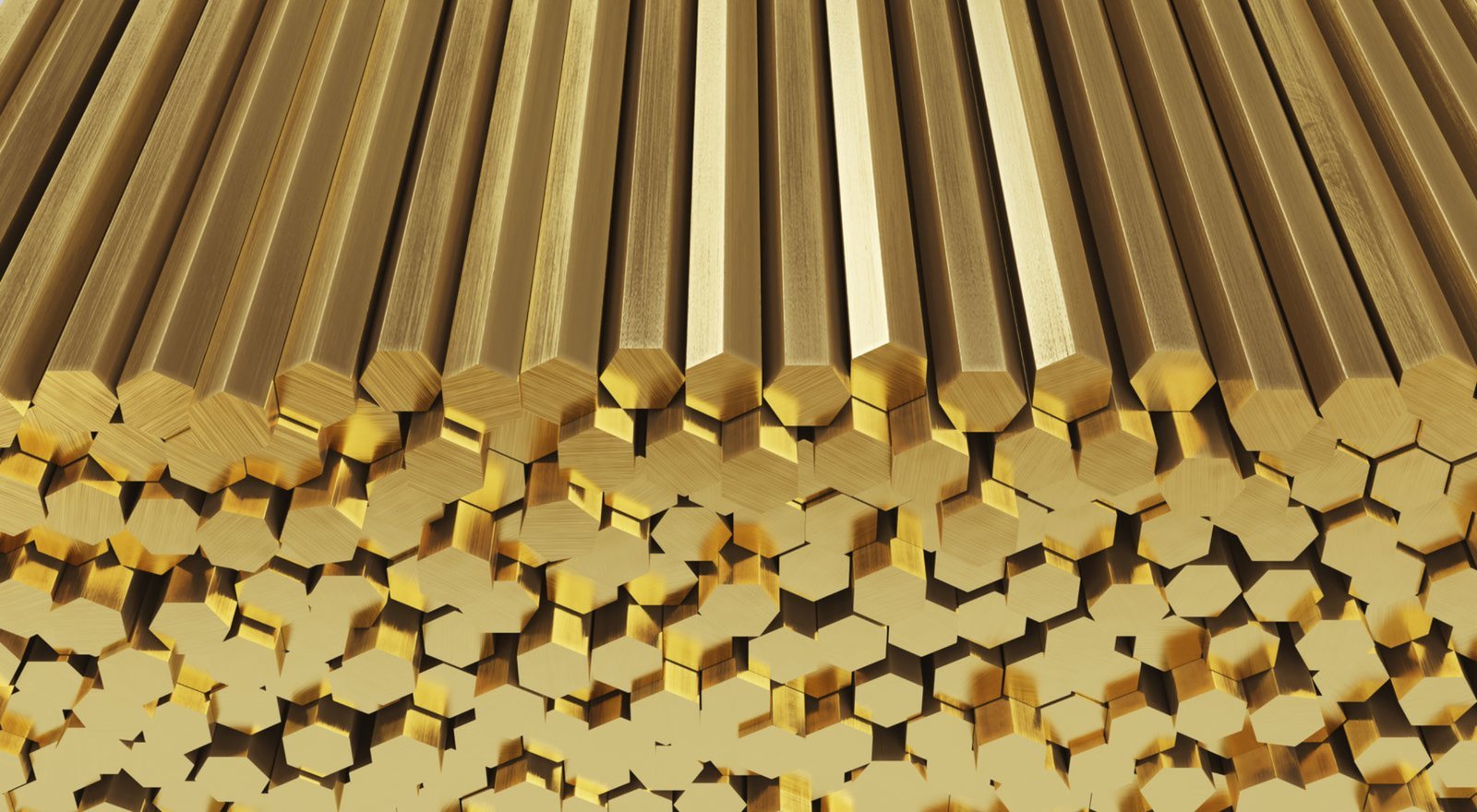
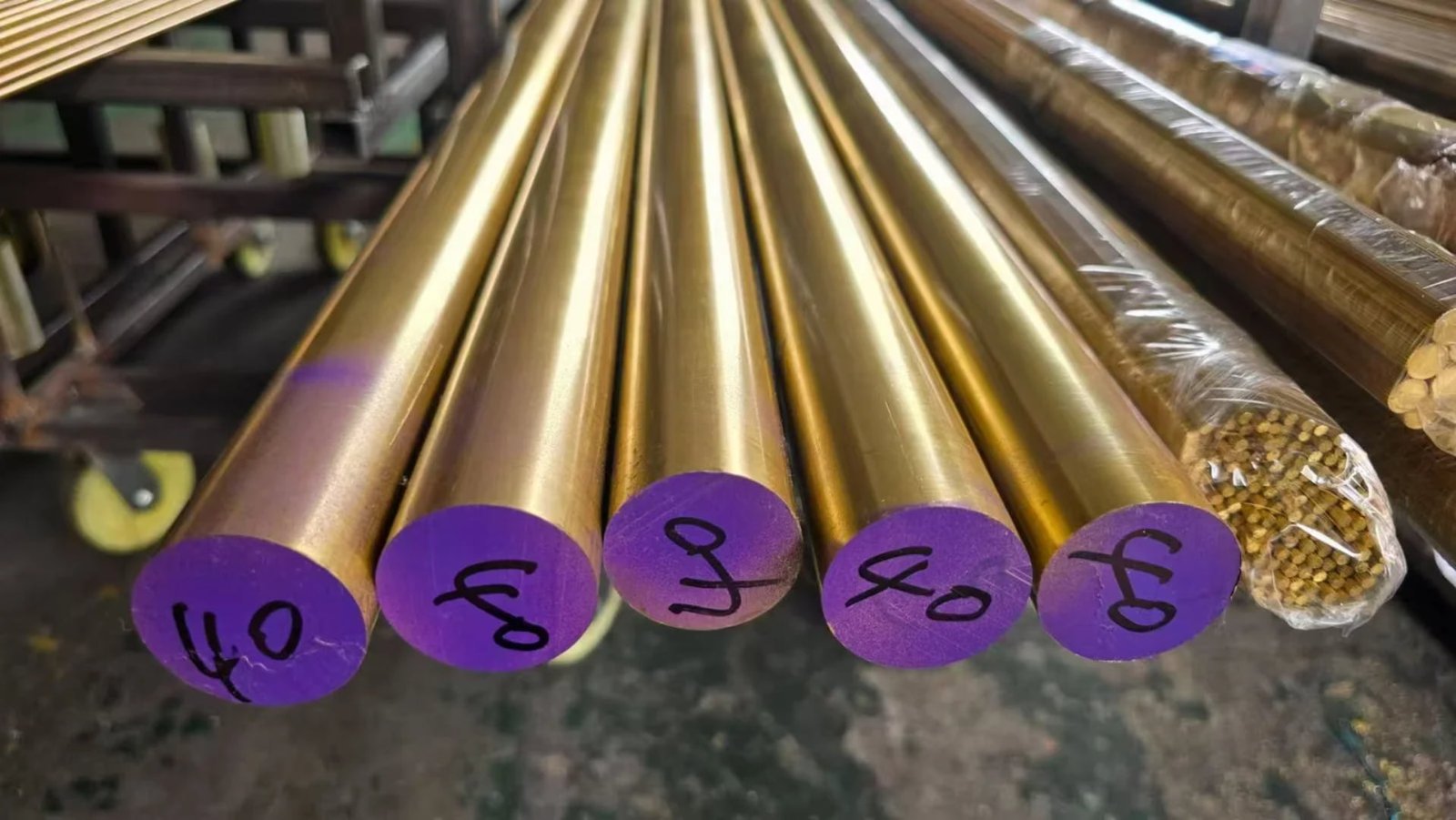
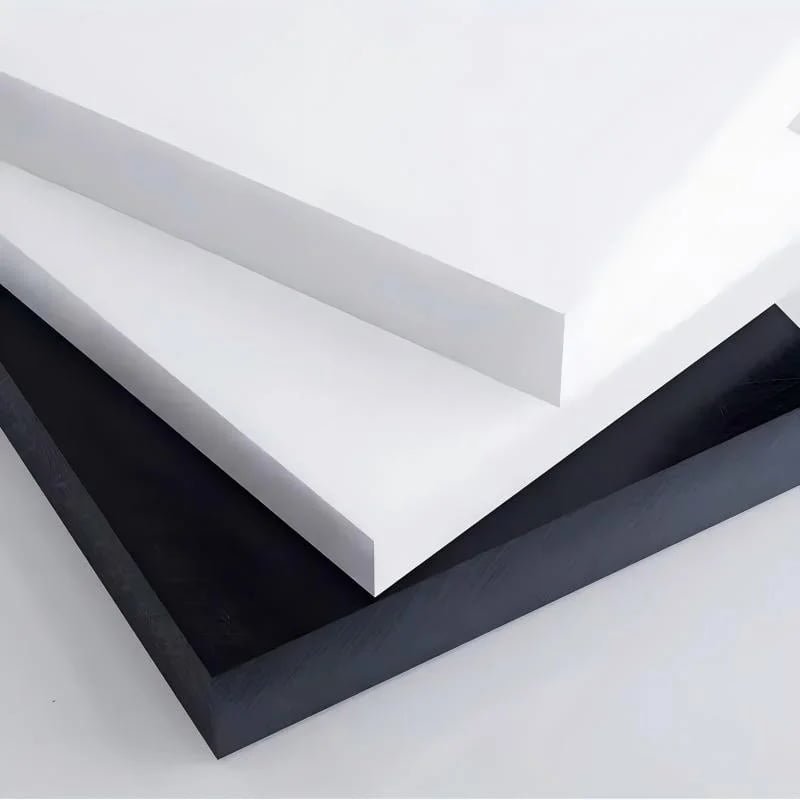
Not sure which material suits your part? Send your drawing and we will recommend one that fits your function, finish, and budget.
Material Selection Considerations
Your material choice affects machining efficiency, dimensional stability, finishing options, long-term durability, and total cost. These are the trade-offs worth weighing before you decide.
| Consideration | Impact on the Project |
|---|---|
|
Strength
|
Load-bearing and structural performance under working stress. |
|
Weight
|
Product weight and how easily the part is handled or shipped. |
|
Corrosion Resistance
|
How well the part holds up in its working environment over time. |
|
Conductivity
|
Electrical and thermal performance for the application. |
|
Surface Finish
|
Appearance and which finishing options are open to you. |
|
Cost
|
Material price plus the machining effort it takes to finish. |
Not Sure Which Material To Choose?
We can match a material to your function, environment, assembly needs, finish, and budget. Send your drawing and application details and we will review them before you get a quote.
Surface Finishes
The right finish improves appearance, corrosion resistance, wear, conductivity, or part identification. Pick the one that matches how your part is used.
Swipe cards to see more →
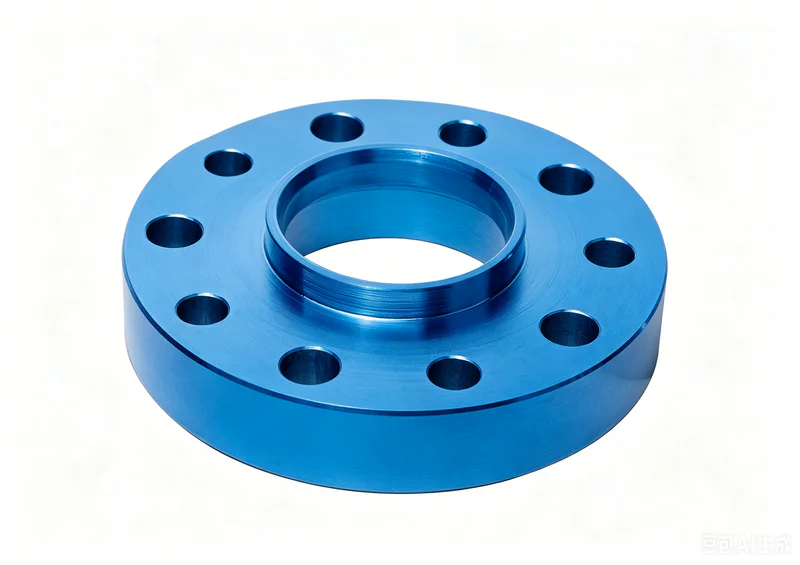
Anodizing
Builds a protective oxide layer on aluminum that improves corrosion resistance and the look of the part.
Often chosen for electronic housings, industrial equipment, brackets, and consumer products.
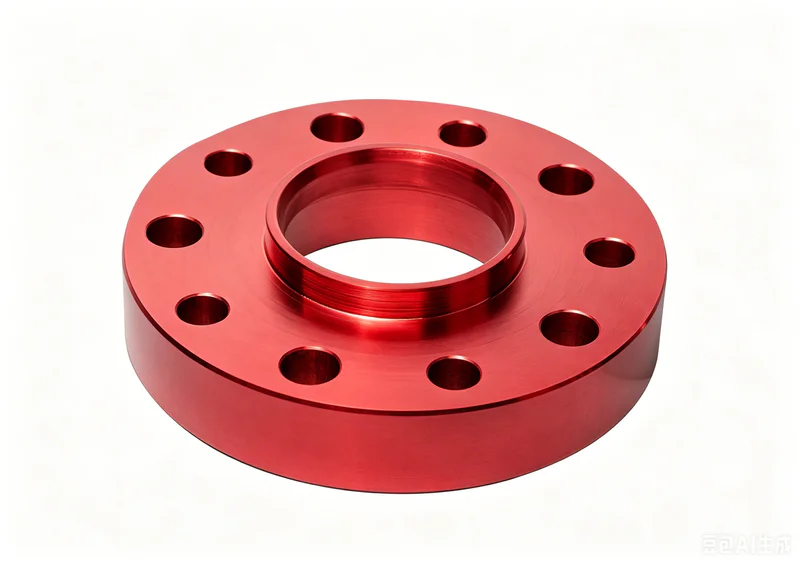
Hard Anodizing
A thicker, harder surface layer for aluminum parts that face wear, friction, or demanding conditions.
Often used for mechanical assemblies, automation equipment, and industrial applications.
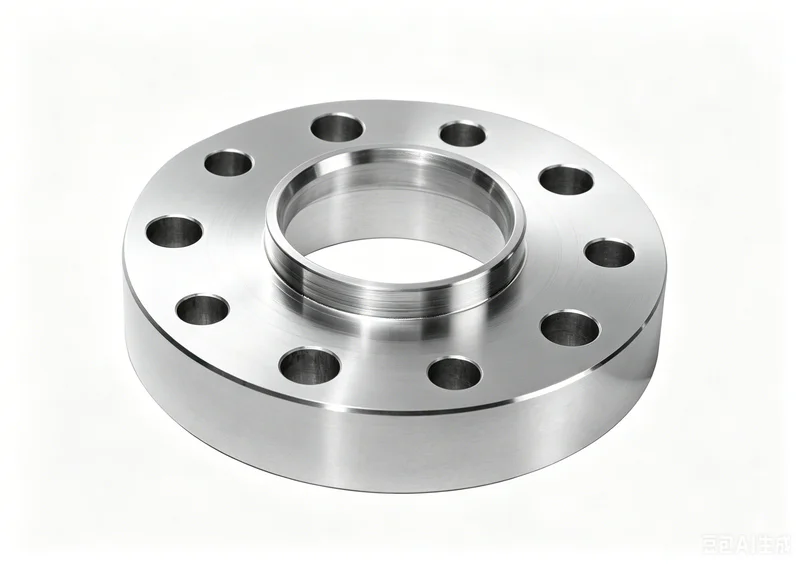
Polished
Smooths the surface and lifts the cosmetic finish on visible or functional faces.
Often chosen when appearance, cleanliness, or lower friction matters.
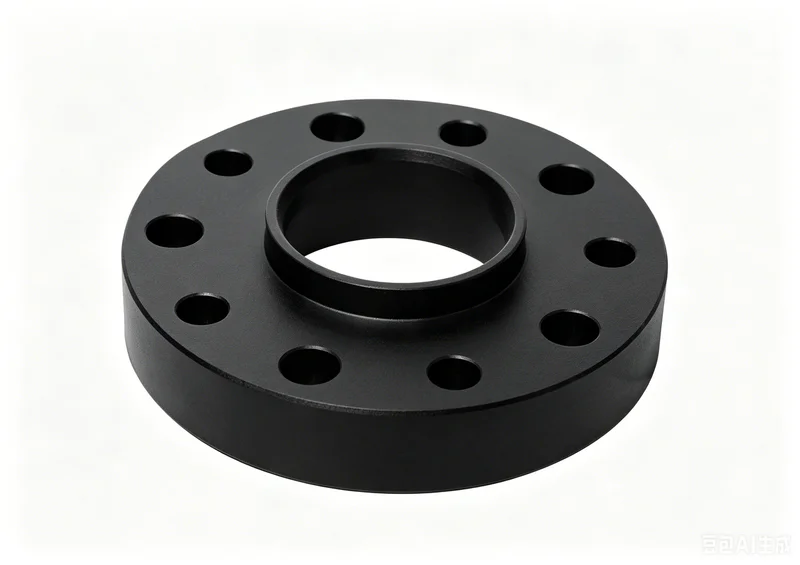
Powder Coated
A durable protective coating you can get in a range of colors and textures.
Often used for industrial equipment, enclosures, mounting structures, and visible parts.
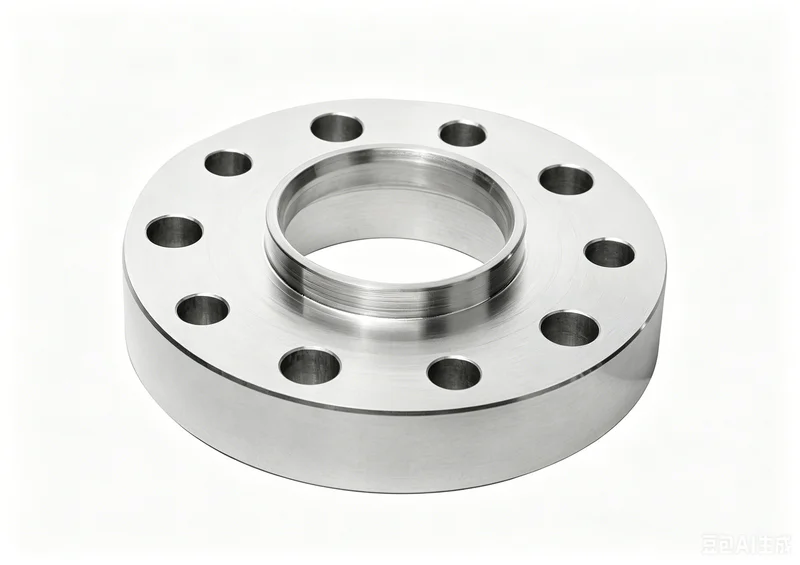
Plating
Improves corrosion resistance, conductivity, wear, or appearance, depending on what your part needs.
Several plating options can be matched to part function and operating environment.
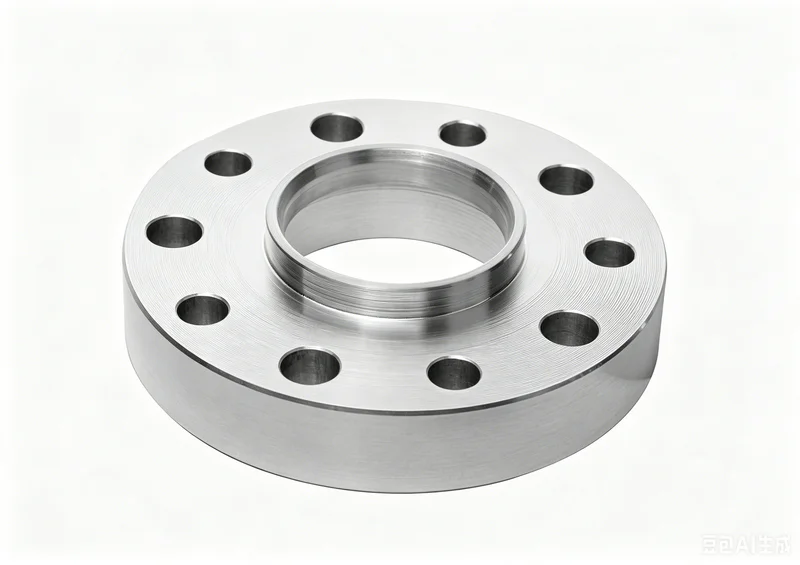
Brushed
Creates a fine directional grain that gives the surface a clean, satin texture and hides minor handling marks.
Often chosen for visible panels, consumer products, and parts where a refined matte look is wanted.
Need more than one finish, or not sure which fits? Send your drawing and we will confirm the finish and how it affects your final dimensions.
Quality Control
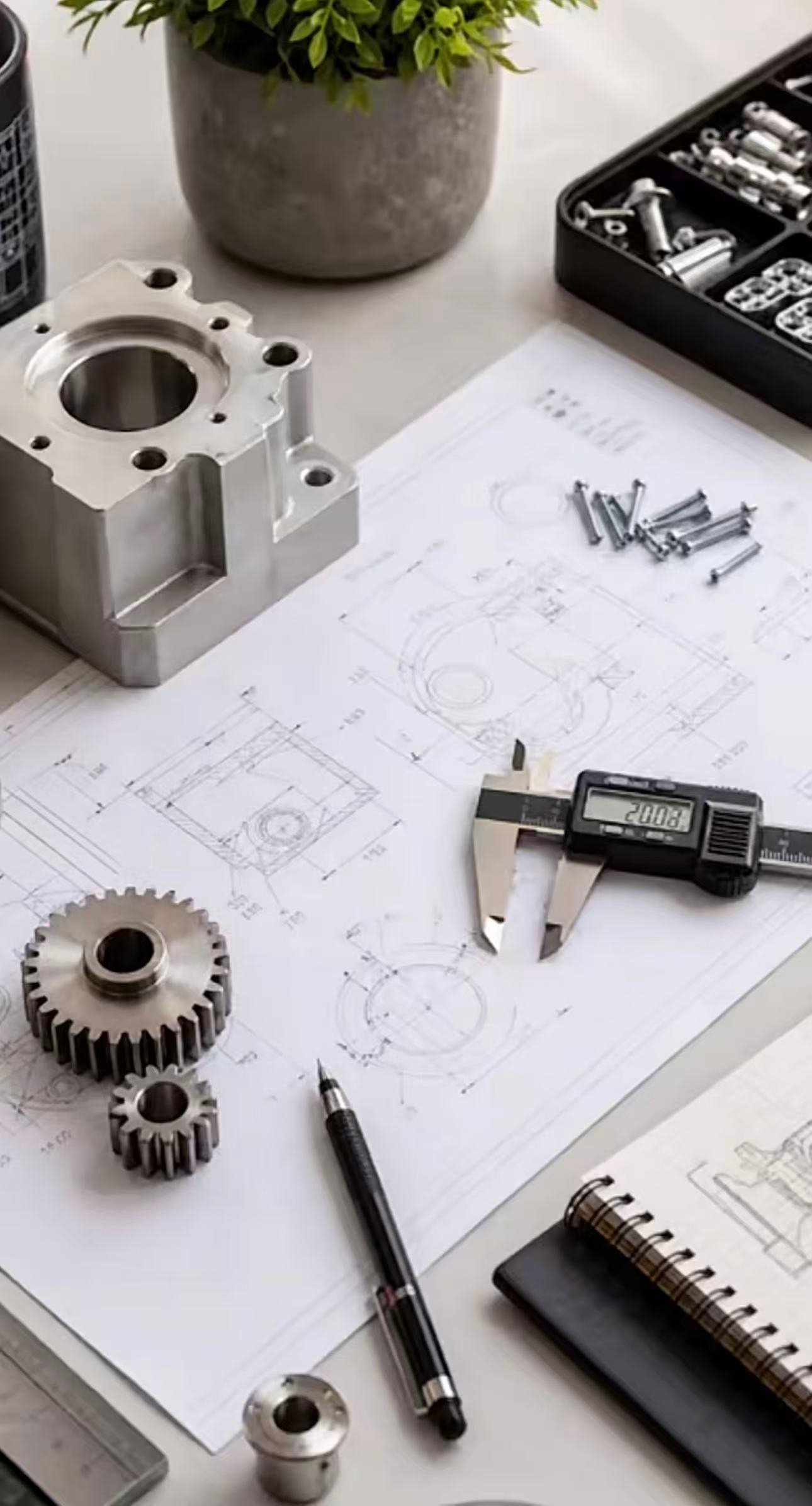
Consistent parts come from controlled processes, verified measurements, and clear inspection requirements across the whole project, not from a final check at the end.
Every Stage
Checked, Not Assumed
-
Drawing Requirement Review
Every project starts by reading your drawing: critical dimensions, datum references, tolerance callouts, surface finish, thread specs, and functional features.
The goal is to set inspection priorities before machining begins, so the right things get measured.
-
Material Verification
Material is checked against your project requirements before production starts.
This confirms the material you get matches the mechanical, environmental, and application requirements in your documentation.
-
First Article Inspection
The first parts are inspected against your drawing before production is approved.
Critical dimensions, functional features, and specified characteristics are verified so the run starts on the right foot.
-
In-Process Verification
Key dimensions and process-sensitive features are checked during machining as your project requires.
Watching critical characteristics through the run keeps variation down and your parts consistent.
-
Final Inspection
Finished parts are verified against the agreed inspection requirements before they ship.
What gets checked is set by your drawing, tolerance specs, and project documentation, not guesswork.
-
Packaging Protection
Parts are packed to suit the material, surface condition, geometry, and how they travel.
Good packaging protects both the dimensions and the finish so parts arrive the way they left.
Key Quality Considerations
Inspection priorities come from part function, assembly needs, and your drawing. Different projects call for different verification, so these are the points we weigh first.
| Quality Consideration | Why It Matters |
|---|---|
|
Critical Dimensions
|
Directly drive fit, function, and how the part performs in assembly. |
|
Datum Consistency
|
Keeps machining and inspection working from the same references. |
|
Surface Finish
|
Affects appearance, sealing, wear, and how the part functions. |
|
Thread Accuracy
|
Decides whether parts assemble reliably and fasteners hold. |
|
Geometric Requirements
|
Hold positional accuracy and the relationships between features. |
|
Production Consistency
|
Keeps parts repeatable across multiple production runs. |
Every Part Backed By A Paper Trail
Critical dimensions, first article, in-process checks, and final inspection are all recorded against your drawing. Send your requirements and you will know exactly how your parts get verified before they ship.
Inspection Documentation
These records give you objective proof for dimensional verification, material compliance, traceability, and project approval. Here is what each document does and when you would use it.
Swipe to see all documents →
First Article Inspection Report
Records how your first production parts measured against the drawing, before production is approved.
Typically Used For
Dimensional Inspection Report
Measurement results for the dimensions and characteristics your project calls out.
Typically Used For
CMM Inspection Report
Verifies complex geometry, positional requirements, and critical dimensional relationships.
Covers
Material Certificate
Identifies the production material and its specification, supplied with the material itself.
Typically Used For
Certificate of Conformity
Confirms your parts were made to the agreed specifications and project requirements.
Typically Used For
Traceability Records
Ties production batches, materials, and manufacturing records together when you need it.
Typically Used For
Documentation by Project Stage
Different stages call for different levels of verification. Here is the documentation you would typically see at each point.
Prototype Validation
Common Documentation
- First Article Inspection Report
- Dimensional Inspection Report
Production Approval
Common Documentation
- Material Certificate
- First Article Inspection Report
- Dimensional Verification Records
Ongoing Production
Common Documentation
- Certificate of Conformity
- Traceability Records
- Project-Specific Inspection Docs
Tell us which documents your project needs and send your drawing so we can confirm them in your quote.
Get The Reports You Need, Quoted Up Front
Tell us which documents your project requires and send your drawing. We will confirm the inspection records in your quote, so there are no surprises when your parts ship.
Documents We Can Provide
- First Article Inspection Report
- Dimensional & CMM Inspection Reports
- Material Certificate
- Certificate of Conformity
- Traceability Records
7-Step Workflow
Here is exactly what happens after you send your drawing, from first review to packed and shipped parts, so you always know where your order stands.
Swipe to follow the steps →
Drawing Review
We review your drawings, CAD files, material, quantity, tolerances, and finishes before quoting or planning.
Manufacturability Check
We evaluate geometry, machining access, tolerances, material, and inspection needs to flag any risks early.
Process Planning
We define machining methods, setups, fixturing, tooling, inspection points, and any secondary operations.
Initial Production
We machine the first parts to the approved drawing and plan, validating the process before the run continues.
Verification & Approval
We verify specified dimensions, critical features, and inspection requirements before releasing production.
Production
We run the full batch to the approved specs, with defined quality controls and inspection along the way.
Final Inspection & Shipment
Parts are verified, documented when required, packed to protect them, and prepared to ship to your door.
CNC Machining FAQ
The questions buyers ask most before sending a drawing. If yours is not here, ask us directly.
01
How do I know if CNC machining is suitable for my part?
It comes down to geometry, material, tolerances, quantity, and what the part has to do. Send your drawing and we will tell you whether CNC is the best fit or whether another process gives you an advantage.
02
Can you review drawings before production begins?
Yes. We review geometry, critical dimensions, datum references, tolerances, material, surface finishes, and inspection expectations before any manufacturing planning starts. Reading your drawing properly is where good parts begin.
03
What information do you need for an accurate quote?
An accurate quote usually starts from:
Any extra project detail helps us evaluate manufacturing and cost more precisely.
04
What has the biggest impact on CNC machining cost?
Cost is usually driven by:
Each one adds to manufacturing effort and affects how efficiently your part can be produced.
05
Can machining cost be reduced without changing part function?
Often, yes. We can look for savings through design review, tolerance evaluation, material alternatives, simpler setups, or fewer secondary operations, all while keeping your part fully functional. If you are switching suppliers to cut cost, this is where we start.
06
How are critical dimensions controlled during production?
Critical dimensions are identified during drawing review and monitored to your project requirements. Inspection is planned around the dimensions that drive assembly, fit, performance, and function, not spread thin across every number.
07
Can inspection reports be provided with machined parts?
Yes, to suit your project. Available records include:
08
How do you verify complex or tight-tolerance features?
The verification method is chosen to match the geometry, dimensional requirements, and inspection goals. For complex parts and tight tolerances, CMM inspection covers position, flatness, parallelism, and concentricity. The approach scales with feature complexity.
09
How is consistency kept between samples and production parts?
Consistency comes from locking it in before the run: approved drawings, defined machining processes, setup control, material verification, inspection activities, and documented requirements. That is how a good sample turns into a reliable production batch, not just a lucky first piece.
10
Can existing parts be reviewed for cost reduction or supplier transition?
Yes. Send existing parts, drawings, or samples and we will review the machining methods, tolerances, material, and where there is room to improve. It is a practical way to support a cost-reduction or supplier-transfer project.
Still have a question? Send your drawing or message us and we will get back to you within 24 hours.
Send Your CNC Inquiry Straight to Parker
Send your drawings, samples, or 3D files with your quantity and target spec. The more you share, the sharper your quote, and you'll hear back within 24 hours.

Parker
Your CNC Machining Contact, HONGYI
Hi, I'm Parker. I handle CNC machining inquiries here myself. Send me your drawings, samples, or CAD files and I'll come back with a clear quote: material, tolerances, finishing, and lead time all spelled out.
If CNC isn't the right process for your part, I'll tell you straight. No spam, no chasing, just a real answer from someone who works with these parts every day.
- I reply within 24 hours, often sooner
- 15+ years working with machined parts
- Your drawings and files stay confidential
- Straight talk on tolerances, finish, and lead time
Tell Me About Your Part
Helpful to include: material, quantity, key tolerances, surface finish, and where it's used. Fields marked * are required.
Inquiry Received
Thanks, your details are with Parker. You'll get a quote within 24 hours, often sooner. Want to add anything now?
Chat With Parker