
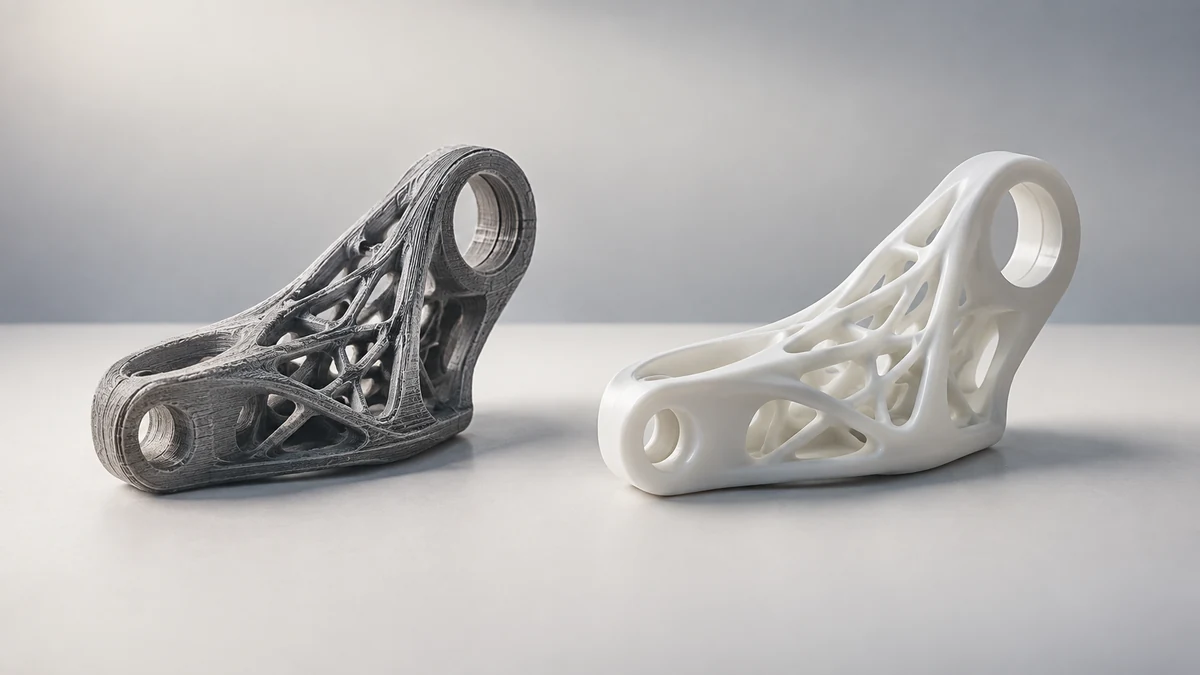
China 3D Printing Service
Specify a printed part by what it must prove or do, not by a process name. Send your CAD and the part's purpose, and the review weighs process, material, build orientation, supports and finish before you commit to a price.
- State the purpose: appearance, fit, function or end use.
- Mark critical dimensions and faces that must stay free of support marks.
- Flag any enclosed cavity that has to be cleaned out.
- In-house production
- ISO 9001
- 24h quote response
- 80+ countries
What to settle before a printing quote
Jump to the process, build or inspection question you need to settle first.
Printed Parts
What the part must prove
Printing Processes
How a printing route is chosen
Material Options
Properties, grades and substitutes
Build Orientation
Direction, layer lines and strength
Support Strategy
Faces to keep free of marks
Accuracy and Finish
Datums, fits and visible surfaces
Printing Production
What stays fixed from sample to run
Post Processing
As-printed versus delivered condition
Inspection Plan
Records that match the part's purpose
Quote Inputs
What to send for a firm quote
Printing FAQ
Ten questions buyers ask first
Request a Quote
Send your CAD to Parker
Printed parts by purpose
Start with what the printed part has to prove. An appearance model, an assembly sample, a functional prototype, a fixture and an end-use component each carry a different material and inspection burden.

Appearance models
Judged by surface, color and the faces people see. Mark those faces and the finish you expect on each of them.
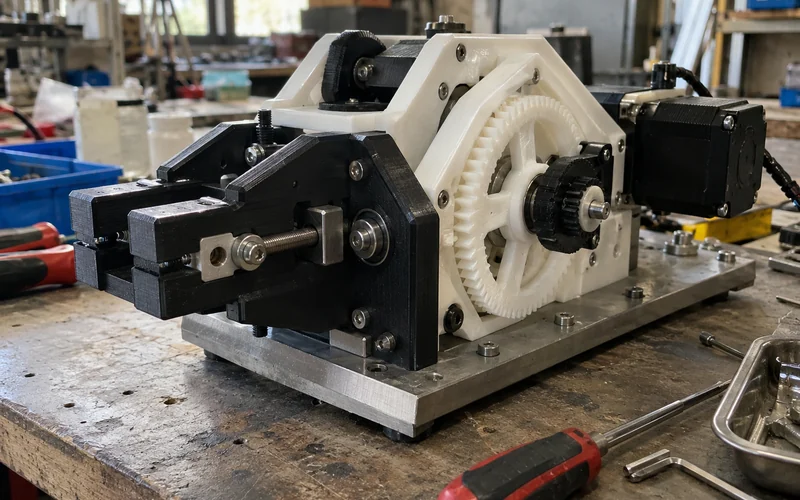
Assembly and functional samples
Judged by fit and by behavior under load. Mark mounting surfaces, mating features and load paths so orientation and material are chosen for them.
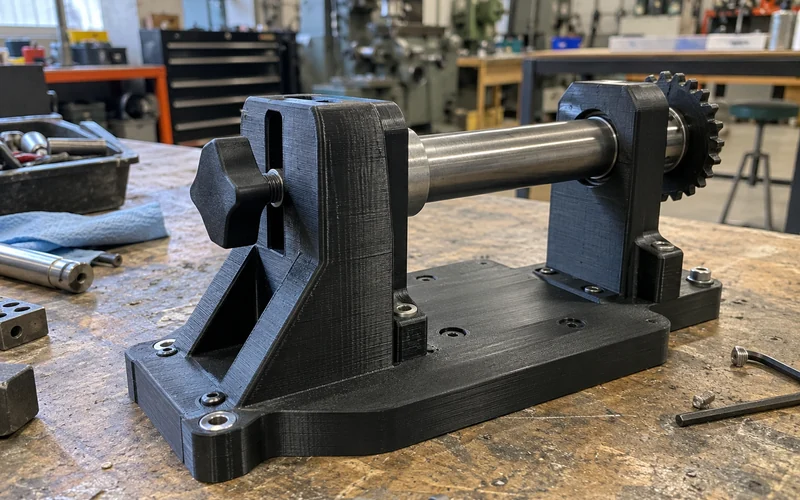
Fixtures and end-use parts
Used in real conditions, not only reviewed. State the operating environment, any internal channels and the validation the part must pass.
Still choosing which sample route suits your test? Start with rapid prototyping. This page covers the details once printing is the chosen route.
Quote response within 24 hours for complete drawings.
Choosing a printing process
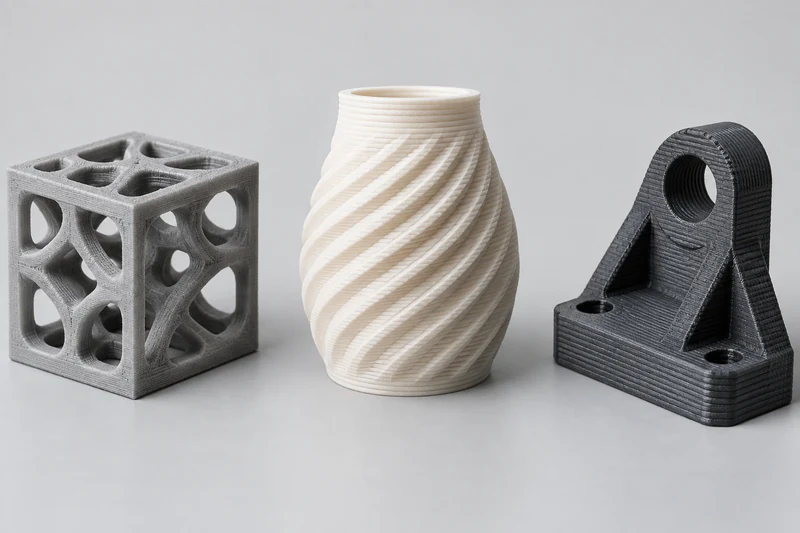
We run FDM, SLA, SLS and MJF in our own factory. Each uses different feedstocks, support methods and post-processing, so the right route follows your feature size, material behavior, quantity, appearance and the test the part faces.
We print in our own factory, and your quote names the process proposed for your part and the limits that matter to your geometry. If the route changes after sample approval, orientation, finish and mechanical performance are reassessed before the next build.
| Factor | Why it matters | What to tell us |
|---|---|---|
| Feature size | Fine details, thin walls and small holes print differently from route to route. | Smallest features, wall thickness and critical holes. |
| Material behavior | A familiar polymer name can behave differently once printed. | The property that matters and the test it faces. |
| Quantity | One sample and a small run can justify different routes. | First quantity and any repeat quantity. |
| Appearance | Layer lines, texture and support marks vary by route. | Visible faces and a finish or color reference. |
| Intended test | An appearance review and a load test need different evidence. | What the part must prove and how it is judged. |
Why it matters Fine details, thin walls and small holes print differently from route to route.
What to tell us Smallest features, wall thickness and critical holes.
Why it matters A familiar polymer name can behave differently once printed.
What to tell us The property that matters and the test it faces.
Why it matters One sample and a small run can justify different routes.
What to tell us First quantity and any repeat quantity.
Why it matters Layer lines, texture and support marks vary by route.
What to tell us Visible faces and a finish or color reference.
Why it matters An appearance review and a load test need different evidence.
What to tell us What the part must prove and how it is judged.
Not sure which route fits? Send the CAD and the test the part faces.
Material options by property
Name the property that matters, such as rigidity, impact, heat, chemical behavior, transparency or appearance, before you compare material names or prices.
Name the property
Tell us which property the test depends on and the conditions it faces. A grade is then proposed for that property, not for a familiar name.
Printed is not molded
A printed material with a familiar polymer name may not behave like the molded grade. Supplier, process, build direction and post-cure all affect performance.
Control substitutes
Request the actual grade and the data relevant to your test. If a substitute is proposed, record which results still hold and which need a new sample.
Next: how the build orientation changes the same material.
Build orientation changes the part
Orientation moves support locations, visible layer lines, fit and direction-dependent strength. Mark the faces and load directions that matter before a build is prepared.
When a printed sample will support a functional conclusion, review and approve the proposed orientation first. Then test representative samples built the same way.
Before you rely on a load value, ask for a tested sample built in the approved orientation.

Support location
Orientation decides which faces carry supports and their removal marks. Mark the faces that must stay clean.
Visible layer lines
Layer direction shows most on curved and sloped faces. Tell us which faces are seen and how they are judged.
Fit
Holes and mating features can print differently depending on their direction in the build. Mark the fits that must work.
Direction-dependent strength
Layer or build direction can change loaded performance. Show the load path so the orientation is chosen for it.
Support strategy and clean faces
Overhangs may need supports, and removing them can leave marks or damage delicate geometry. Decide where a mark is unacceptable before the build is planned.
Check whether an internal support can come out at all before you approve a closed cavity. The support plan may change the orientation, split the model or add access openings.
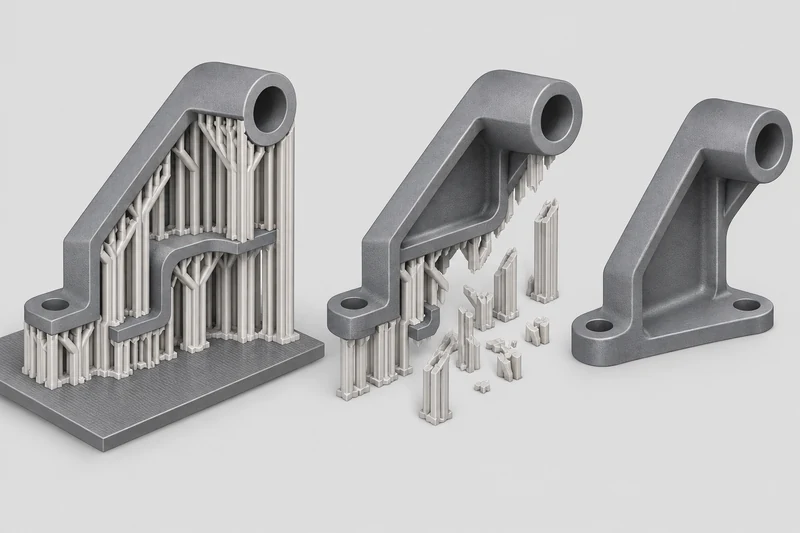
Mark on the drawing
- Cosmetic faces where a support mark is not acceptable.
- Sealing faces that must stay smooth and intact.
- Mating and sliding faces that control fit or motion.
- Closed cavities, and whether internal supports can be removed.
Agree before printing
- Whether the orientation may change to move supports.
- Whether the model may be split or given access openings.
- The delivered condition of supported faces.
- Any cleanup or repair you permit on marked faces.
Accuracy, fits and finish
Specify critical dimensions from functional datums and define the visible finish you accept. Capability depends on geometry, material, orientation and post-processing, so avoid one blanket tolerance for every feature.
| Requirement | What to specify | Why it matters |
|---|---|---|
| Critical dimension | Tolerance from a functional datum. | Printed features vary with geometry and orientation. |
| Fit-critical hole or thread | Whether drilling, reaming, tapping or an insert is allowed. | An accurate fit may need a secondary operation. |
| Visible surface | Faces seen in use and an approved reference sample. | Layer texture and color are judged against it. |
| Finished dimension | Before or after coating, sanding or sealing. | Finishing adds or removes material. |
What to specify Tolerance from a functional datum.
Why it matters Printed features vary with geometry and orientation.
What to specify Whether drilling, reaming, tapping or an insert is allowed.
Why it matters An accurate fit may need a secondary operation.
What to specify Faces seen in use and an approved reference sample.
Why it matters Layer texture and color are judged against it.
What to specify Before or after coating, sanding or sealing.
Why it matters Finishing adds or removes material.
For holes, threads and faces that must be machined to size after printing, see CNC machining.
Printed and finished in one factory
We print, post-process and inspect your part in our own factory, and your quote names the process and the orientation assumed. If another route suits your test better, the review says so. The next sections cover what to hold fixed from the first sample to a repeat run.
Printing production from sample to run
A small run is not automatically identical to the first sample. If the machine, material or orientation changes, the result can change with it.
Printing runs in-house, and your quote names the process for your part. Fix the four points below before a repeat build.
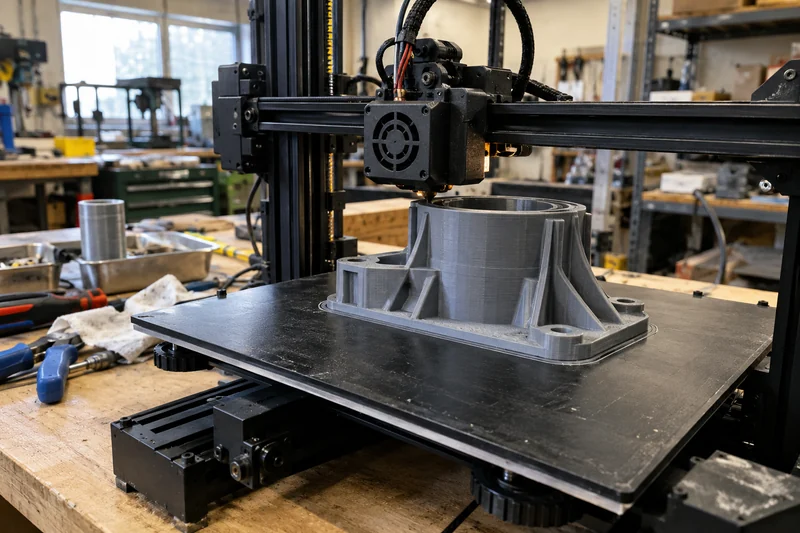
Lock the file revision
Build from the approved CAD revision only. Send any model change for review before it is printed.
Record process and machine
Ask for the process and the machine used on the approved sample to be recorded, so a repeat build follows the same route.
Record lot and orientation
Ask for the material lot, build orientation and build batch on the record. Each one can shift strength, size and surface.
Approve the sample first
Sign off a sample before the run. If the machine, material or orientation changes later, approve the new setup again.
Sample sign-off before production.
Post-processing and delivered condition
Part removal, support cleanup, washing or curing, sanding, coating and secondary machining can each change the result. Decide which steps are included and where they touch critical features.
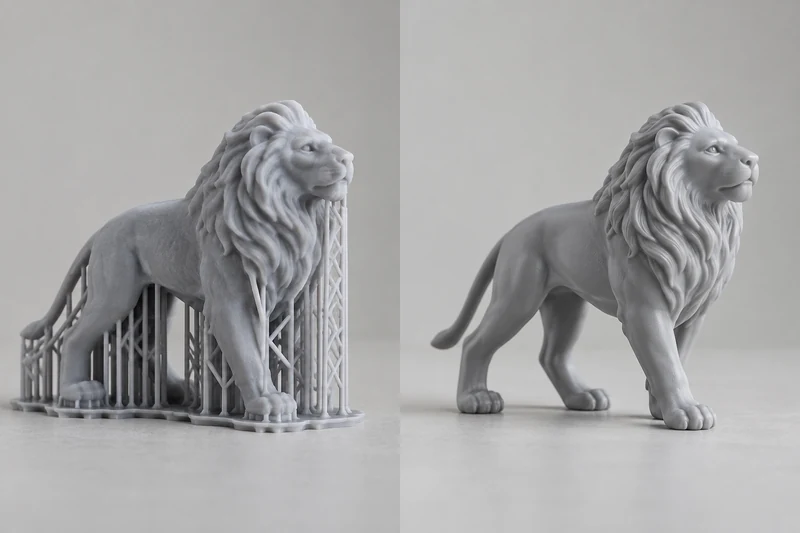
Part removal and support cleanup
Supports come off after the build and can leave witness marks. The faces you marked as support-free decide how and where they are removed.
- Cosmetic, sealing and mating faces
- Cleanup or repair you permit
Washing, curing and cavity cleanout
Depending on the process, a part may be washed, cured or cleared of powder. An enclosed cavity must be checked for trapped powder or uncured resin.
- Cleanout requirement for each cavity
- Access openings if full removal cannot be shown
Sanding, sealing and coating
Surface work changes texture and can change dimensions. State the finish on each visible face and whether dimensions apply before or after it.
- Finish per visible face
- Dimensions before or after finishing
Secondary machining
Fit-critical holes and threads may need drilling, reaming, tapping or inserts. Include the operation in the quote so it is priced and checked.
- Features that need a secondary operation
- The fit each one must meet
Delivered condition
The quote states the as-printed and delivered conditions separately. If the part is a master pattern for vacuum casting, its finish approval becomes the input to that route.
- As-printed condition
- Delivered condition and finish approval
Inspection plan for printed parts
Inspect the dimensions, visible surfaces, material identity and functional property the part's purpose calls for. A print checked for assembly fit needs a different plan from an end-use fixture.
The inspection record is agreed for each order. List the checks and reports you need in the RFQ, and ask for process, orientation and post-processing to be recorded alongside the results.

Dimensional and surface check
Selected dimensions measured from functional datums, and visible faces judged against the approved reference sample.
Process and material record
Process, material identity, orientation and post-processing on record, so each result traces back to how the part was built.
Functional test result
The property the part must prove, tested on representative samples whenever its purpose calls for it.
Quote inputs for a printed part
A complete request lets the printing route be assessed and questions raised before pricing. Send what you have and mark what is still open.
Include in the first request
- Watertight CAD and the drawing revision.
- The part's purpose and the test it faces.
- Material and property priorities.
- Quantity for the first build and any repeat.
- Critical dimensions, visible and support-free faces, enclosed cavities and finish.
- For an end-use part, the full operating environment and validation requirement.
Ask the quote to state
- The process proposed for your part.
- The build orientation assumed.
- The post-processing included in delivery.
- Any secondary operation on fit-critical features.
- The inspection scope and the records supplied.
A prototype photo cannot show that a part suits end use. The validation you define decides that.
Quote response within 24 hours for complete drawings.
3D printing FAQ
Short answers to the questions that usually come up before a printing quote.
Are FDM, SLA, SLS and MJF all available through HONGYI?
Yes. We run all four in our own factory. Send the part's goal, and your quote names the process we propose for it, and why, before anything is approved.
Is a printed material grade equivalent to an injection-molding resin?
Do not assume so. Compare the actual printed grade and its processing with the property under test, especially direction-dependent behavior and post-cure.
How does build orientation affect strength?
Layer or build direction can change loaded performance. Mark the load path, approve the orientation and validate representative samples before functional use.
Which faces should avoid support marks?
Visible, sealing, sliding and mating faces. Mark them on the drawing and review the support and removal plan before printing.
Can powder or resin be removed from a closed cavity?
It depends on the process, access and cavity geometry. State the cleanout requirement, and allow a design change or split part if complete removal cannot be shown.
Do printed holes or threads need secondary work?
Some fit-critical features need drilling, reaming, tapping or inserts. The choice follows the process and the functional tolerance, and the operation goes into the quote.
What is needed for an appearance sample?
An approved surface and color reference, the visible faces, the support-free zones and the finishing steps included in delivery.
Can a printed part be used as the final component?
Only after the chosen process, material, orientation and post-processing pass your application tests and documentation requirements. A successful prototype alone is not enough.
When should a printed run move to tooling-based molding?
Compare repeat quantity, material fidelity, unit cost, design stability and required consistency against the tool investment. A change of process needs a new approval.
How does this page differ from Rapid Prototyping?
Rapid prototyping helps you choose a sample route from the decision you need to test. This page covers the technical and purchasing details once the part is to be printed.
Request a 3D printing quote
Send the CAD and tell us what the part must prove. Parker reviews it and replies with questions or a quote.

Parker
Your 3D Printing Contact, HONGYI
I'm Parker. Send me your CAD, the part's purpose, the material property that matters most and the quantity. Mark the critical dimensions and the faces that must stay free of support marks.
Tell me the test the part will face. My reply names the process proposed, or lists the questions to settle first.
- Reply within 24 hours
- In-house production
- Drawings kept confidential