

China Industrial Automation Components Manufacturer
Automation equipment depends on mechanical parts that fit the machine, hold their datum and survive the intended motion. This page covers custom components, fixtures and defined mechanical subassemblies made to an approved drawing, not complete automation lines.
- Send the component drawing or BOM and the machine interface.
- Mark the critical motion and wear features, the quantity and any spare-part need.
- Replacing an existing part? Include its original revision and the fit or failure behind the order.
- In-house production
- ISO 9001
- 24h quote response
- 80+ countries
What to define for a machine part
Jump to the interface, material, wear, fixture or inspection question you need to settle first.
Automation Components
Blocks, guides, shafts and wear parts
Machine Interfaces
Mounting, motion axis and envelope
Materials and Processes
Duty first, then material and route
Precision Features
Fits and datums that set accuracy
Wear and Motion
Load, speed, lubrication and failure
Fixtures and Tooling
Datums, clamping and repeat location
Component Production
Revision, route, first article, repeats
Inspection Plan
Features that decide machine fit
Assembly Support
Mechanical subassemblies, clearly scoped
Quote Inputs
What to send for a component quote
Automation FAQ
Ten questions buyers ask first
Request a Quote
Send your part drawing to Parker
Automation components by function
Describe what the part does in your equipment and the condition it arrives in. A part drawing alone may not show its orientation, access or the parts it works with.
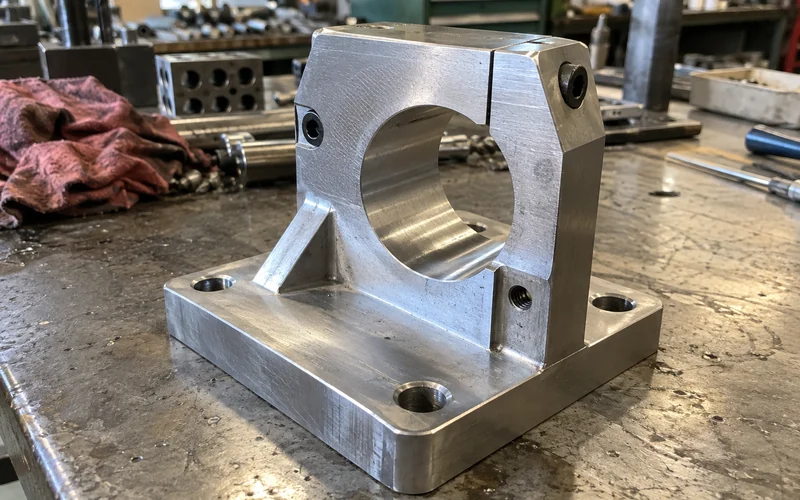
Mounting blocks and brackets
Their position sets where other parts sit. Mark the mounting pattern and the faces that locate mating components.

Guides and shafts
Motion and wear decide how long they last. State the mating part, the motion and the faces that carry load.
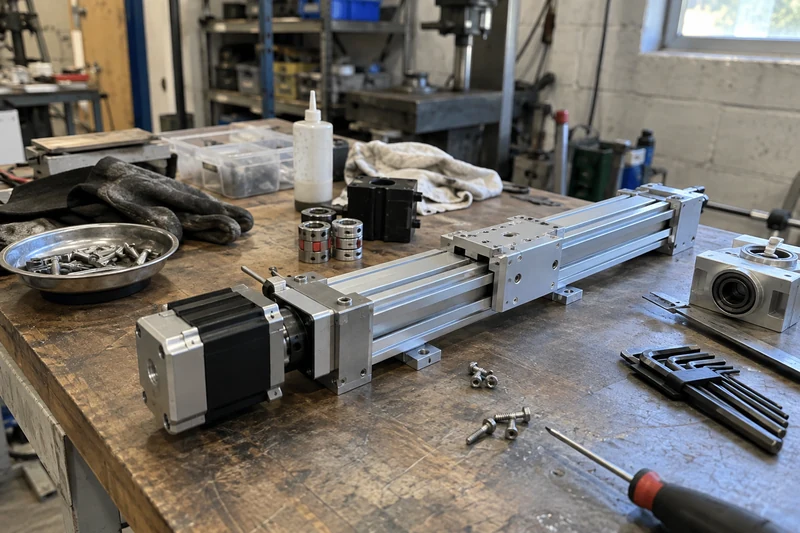
Fixture elements and wear parts
Replacements must match an installed machine. Include the original revision or a mating part when the drawing is incomplete.
We manufacture these components in our own factory, from the first operation to final inspection, so the team that quotes your part is the team that makes it.
Quote response within 24 hours for complete drawings.
Machine interfaces as a system of fits
A bore can meet its own diameter and the part still fail because its position to the mounting face is wrong. Check interfaces together, from functional datums.
Where the original drawing is incomplete, share a mating component or a measured legacy part.
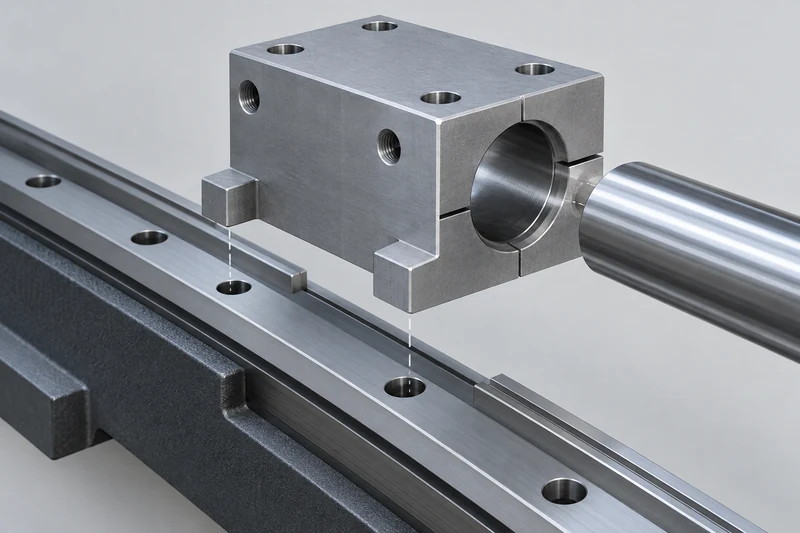
What to show about the machine
- The mating machine surfaces.
- The mounting pattern.
- The motion axis.
- The mechanical envelope and any access limits.
- Functional datums for every position requirement.
What to add for a replacement
- The machine revision the part fits.
- Any prior field modification.
- A mating component or measured legacy part if the drawing is incomplete.
Materials and processes for the duty
Select material and process from load, motion, exposure, quantity and the replacement interval you want. Our core business lines are CNC machining, metal stamping and plastic injection molding.
Each component still gets its own process review, and any surface treatment, heat treatment or assembly it needs is done in the same factory.
CNC machining
Suits parts made directly from your drawing, without a part-specific tool. See CNC machining.
Metal stamping
Suits formed sheet-metal parts once the volume justifies a die. See metal stamping.
Plastic injection molding
Suits polymer parts once the volume justifies a mold. See plastic injection molding.
Send the material grade or the performance it must meet, the contact pairs and the use environment. A visually similar substitute may not keep the same wear, stiffness or corrosion behavior.
Unsure which material or route suits the duty? Send the drawing and the operating conditions.
Precision features that control accuracy
Put tolerances and inspection methods on the features that control machine accuracy, with an explicit datum scheme. Keep every other surface general.
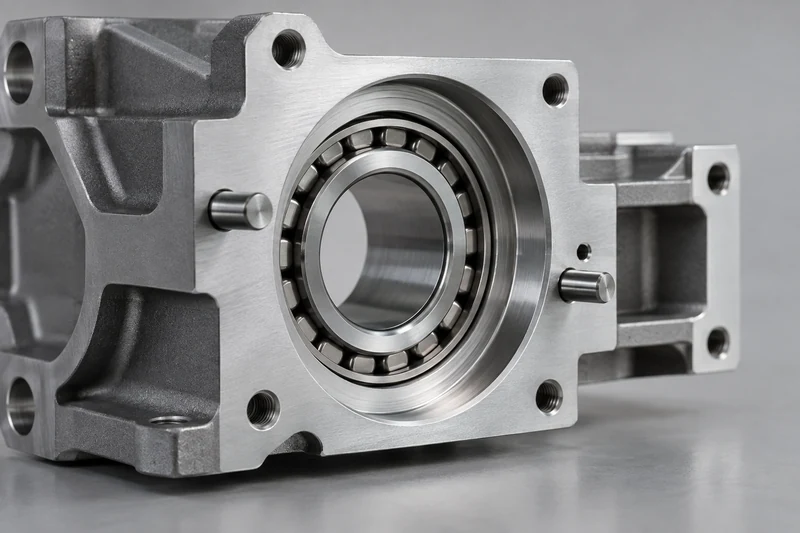
Mark the functional features
Bearing bores, shaft fits, alignment pins, rail contact faces and mounting patterns that set machine accuracy.
Tie them to datums
Apply each tolerance and inspection method to those features through an explicit datum scheme.
No blanket tolerance
Avoid a tight tolerance on every surface; keep tight limits where they control the machine.
Check spares against the machine
Compare a spare with the installed interface, not only an old nominal drawing. Wear or rework on the machine can change what the legacy part tells you.
Wear and motion at the contact
A moving contact needs a defined duty before material and finish can be chosen. Decide for both contacting parts, not only the replacement component.

Define the duty
State the load, speed, lubrication and environment at the contact.
Consider both parts
Choose material and finish for the pair, not for one side alone.
Describe the wear
Say which face wears and what failure looks like in service.
Set the check
Decide whether a service-life test or an inspection interval is required.
A gear with tooth geometry and accuracy requirements is covered under gear machining.
Fixtures and tooling you can accept
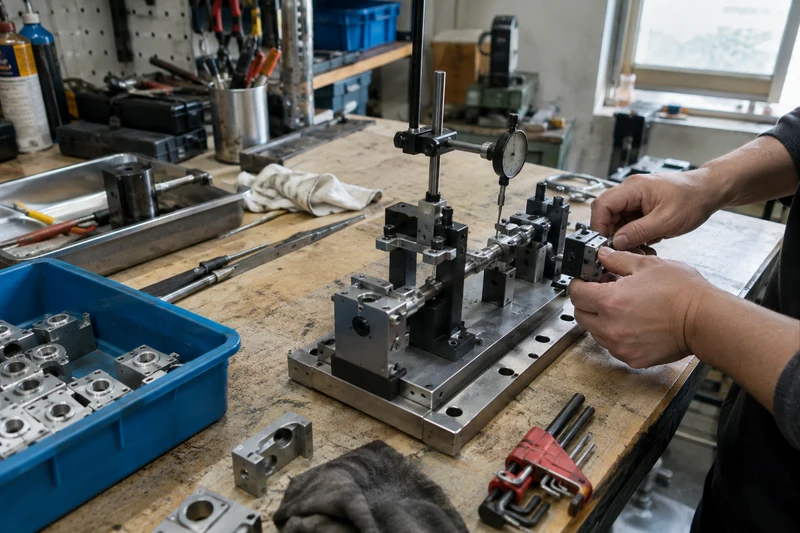
A fixture locates a part repeatedly for manufacturing, measurement or assembly. Define how it locates and how you will accept it before it is built.
Say whether you need a fixture component, a complete mechanical fixture or a tool with a validated repeatability record. That scope is confirmed in your quote.

| Define | What to state |
|---|---|
| Datum points | Where the part is located. |
| Clamp access | How and where the part is clamped. |
| Changeover | How parts or variants are changed. |
| Expected cycle | How often the fixture is loaded. |
| Acceptance check | How repeat location is verified. |
| Machine interface | The interface drawing, if it fits an installed machine. |
What to state Where the part is located.
What to state How and where the part is clamped.
What to state How parts or variants are changed.
What to state How often the fixture is loaded.
What to state How repeat location is verified.
What to state The interface drawing, if it fits an installed machine.
Loose part, fixture or mechanical unit?
Tell us which one you need and send the drawing with its machine interface. The review confirms the mechanical scope, and the next step is agreeing how the part is made and checked.
Component production from revision to repeat lot
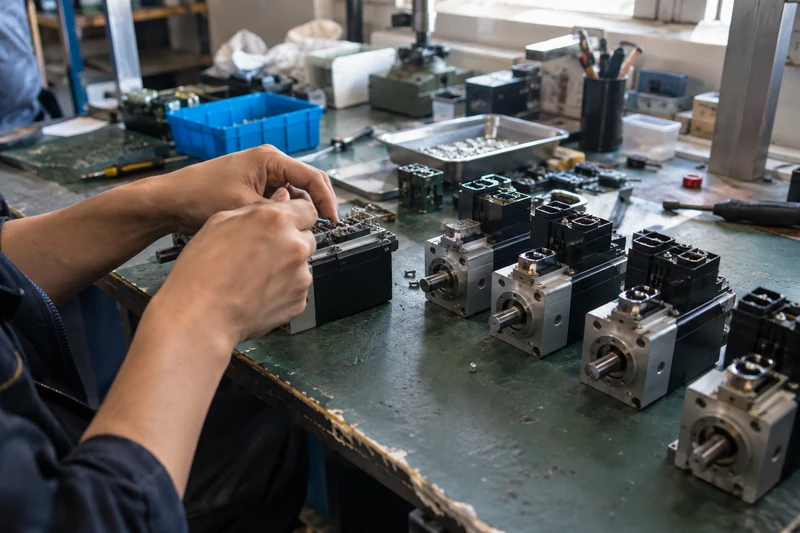
Agree how each part is made before the first one is cut. Several part numbers may follow different core processes, each with its own tooling or setup cost.
Your quote names the production route for each part. Control-system design, machine building and line commissioning are not part of a component order.
Fix the drawing revision
Agree the drawing revision and material the part is made to.
- Drawing revision
- Material grade or performance requirement
Agree the process route
Confirm the process for each part number, including any surface treatment or heat treatment step.
- Process per part number
- Tooling or setup cost per part
Approve the first article
Check the first part against the drawing, and against the installed interface or a gauge when it replaces an existing part.
Plan repeat lots and spares
Set the repeat-lot plan. For replacement parts, confirm interchangeability and any life-limited feature.
- Repeat-lot plan
- Interchangeability
- Life-limited features
Inspection plan for machine fit
Measure the features that decide how the part fits and moves in the machine. Define first-article and repeat-lot records separately.
The inspection record is agreed for each order, so the checks match the features that decide machine fit.

Machine-fit features
Datum faces, bearing or pin fits, hole patterns, surface condition and assembly alignment.
Fit check
A replacement part may need a fit check against an approved mating part or gauge.
First article and repeat lot
Agree what the first-article record covers and what each repeat-lot record keeps.
Assembly support for mechanical units
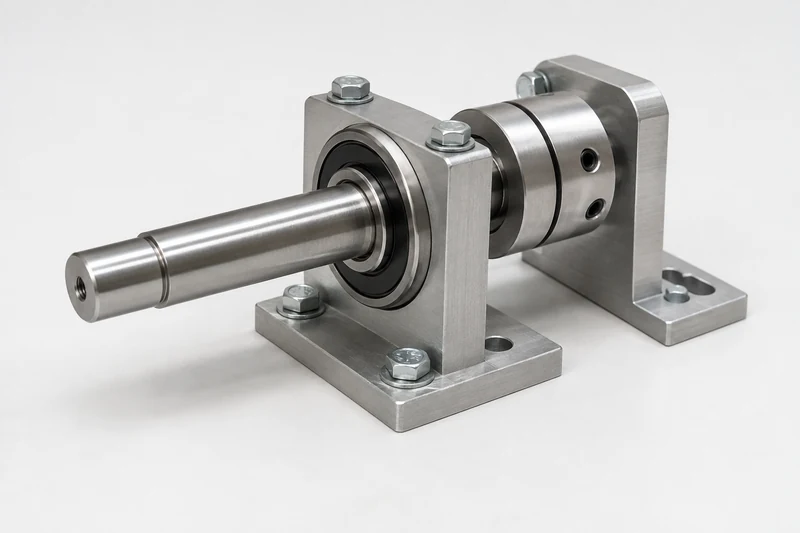
If the deliverable includes a mechanical subassembly, define it as carefully as each part. Name any components you supply; we assemble the unit and own its acceptance.
Send the BOM
List every component, its revision and who supplies it.
Define interfaces and fastening
Mark the interface requirements and the fastening steps that decide function.
Set the functional check
Agree the fit or movement check the finished unit must pass.
Sign off the unit
Approve the first completed unit against the BOM, interfaces and functional check.
For the full assembly scope, see mechanical assembly. Electrical integration, controls, PLC programming and commissioning are separate from a mechanical component order.
Component quote inputs
A complete request lets each part be routed, inspected and priced against its function in the machine. Send what you have and mark what is still open.
Include in your request
- Component CAD and drawings, or a controlled BOM.
- The machine interface.
- Material, and the critical motion or wear features.
- Required quantity and spare-part pattern.
- An original sample or mating part when interchangeability matters.
- Finish, test, packing and traceability requirements.
What your quote should state
- The process for each part.
- Inspection evidence.
- Exclusions.
- For a fixture or mechanical unit: components, assembly, validation and ownership priced separately.
Quote response within 24 hours for complete drawings.
Automation components FAQ
Short answers to the questions that usually come up before a machine component quote.
Which parts need a machine interface drawing?
Any component whose position, movement or service access depends on the surrounding machine. Provide the mounting, mating and motion relationships even when the component drawing is complete.
How is a replacement part made interchangeable with an older version?
Compare revisions, functional datums, material, finish and fit to the installed equipment, then verify a first article against the approved mating interface or gauge.
How should a fixture's repeat location be specified?
Define datum points, loading method, clamp sequence, measurement method and the allowed variation over representative cycles. An overall fixture photograph is not an acceptance criterion.
Is wear controlled by material or finish?
Both can matter, along with load, speed, lubrication and the mating surface. Share the actual wear condition and agree the test or inspection method for the proposed material and finish pair.
When should a gear move to a dedicated page?
When tooth geometry, grade, heat treatment, mesh behavior and gear inspection drive the purchase. Send the gear and mating-part data for a gear machining review.
Does a mechanical subassembly include electrical integration?
No. A mechanical subassembly covers mechanical parts and their assembly. Wiring, controls and commissioning are outside that scope and need their own agreement.
How should downtime spares be identified and packed?
Use part number, revision, machine applicability and lot identification on protected packaging. Add an approved reference or interchangeability record where installation risk is high.
How are multiple revisions in small quantities quoted?
List each part and revision with its own quantity, setup, material and inspection needs. Versions are never combined silently under one part number.
Can client project photographs be displayed without permission?
No. Publication needs your permission and an image that reveals no confidential machine or design information. A concept illustration is never presented as your project.
Where is the boundary between a component order and a full automation line?
A component order covers defined mechanical parts, fixtures and separately scoped small mechanical units. Line design, controls, integration and commissioning are outside it and need their own contract.
Request a component quote
Send the drawing and tell us where the part sits in the machine. Parker reviews it and replies with questions or a quote.

Parker
Your Automation Components Contact, HONGYI
I'm Parker. Send me the part drawing or BOM, the machine interface, the critical fits and the wear conditions. Add the quantity and any spare-part need.
Tell me whether you need a loose component, a fixture or a mechanical subassembly, and include any fit or functional test the part must pass.
- Reply within 24 hours
- In-house production
- Drawings kept confidential