China Metal Welding Service
A welded assembly has to meet its joint requirements and its finished dimensions. Define what each weld must carry, seal or look like, and the condition in which you accept the completed item.
- Send the assembly drawing, component materials and weld callouts.
- Mark the critical post-weld dimensions, finish and inspection needs.
- If a joint is structural, pressure-containing or regulated, name the code and the evidence you require.
- In-house production
- ISO 9001
- 24h quote response
- 80+ countries
What to define before welding
Jump to the joint, distortion or inspection question you need to settle first.
Welded Parts
The welded item and its use
Material Requirements
Base metals, coatings and documents
Joint Design
Callouts, access and hidden joints
Welding Process
What drives the process choice
Fixturing
Locating surfaces and fixture ownership
Distortion Control
Post-weld dimensions and corrections
Weld Appearance
Cosmetic and functional criteria
Welding Production
Welded and signed off in-house
Inspection Plan
Visual, dimensional and test checks
Quote Inputs
What to send for a firm quote
Welding FAQ
Ten questions buyers ask first
Request a Quote
Send your drawings to Parker
Welded parts, defined by their use
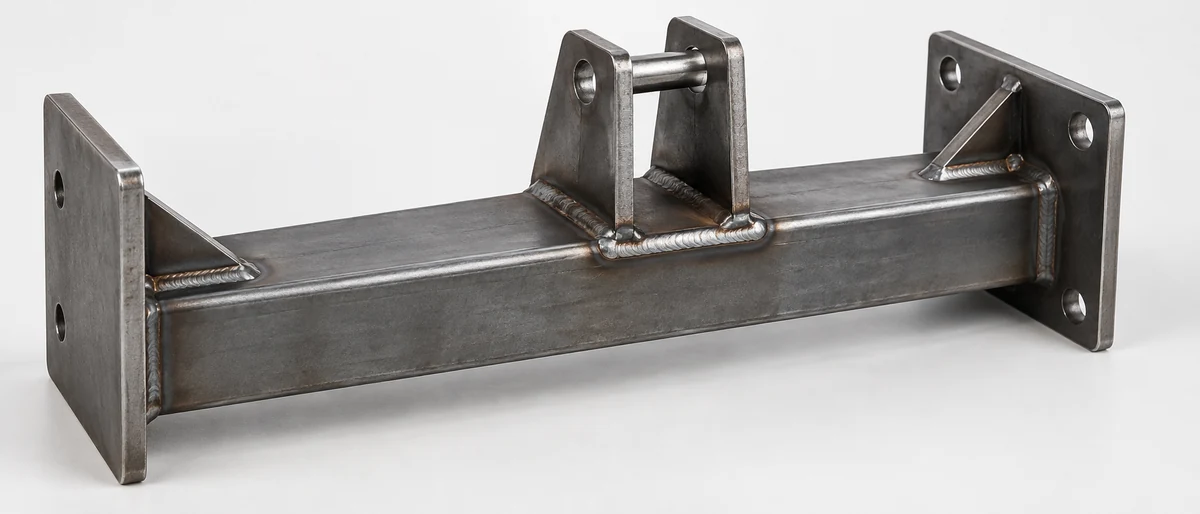
Load, leakage, appearance and later machining set very different requirements for a welded bracket, frame or enclosure. Show the complete item and what it does.
Identify which components you supply, which surfaces locate the assembly and which dimensions apply after welding.
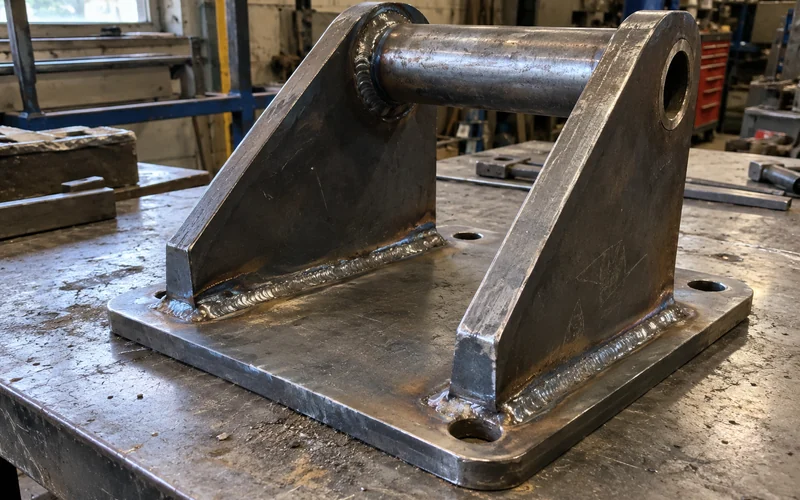
Welded brackets
State the load the joints carry, and mark the holes and faces that must stay in position after welding.
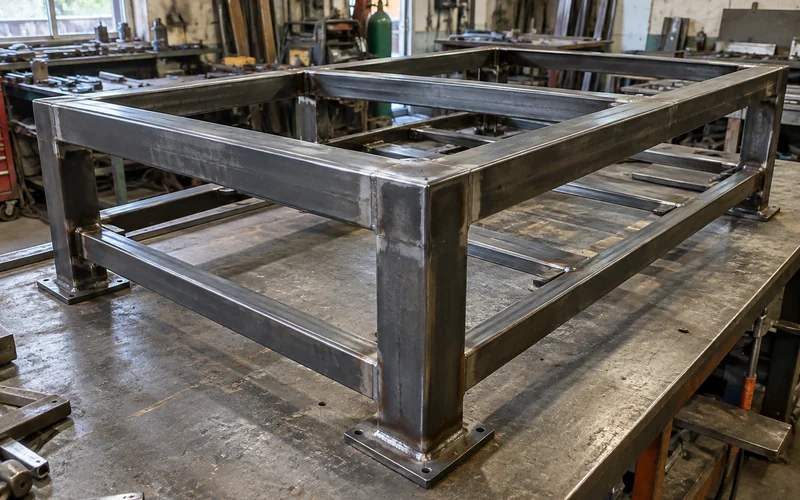
Welded frames
Say which members you supply and which dimensions across the frame apply after welding.
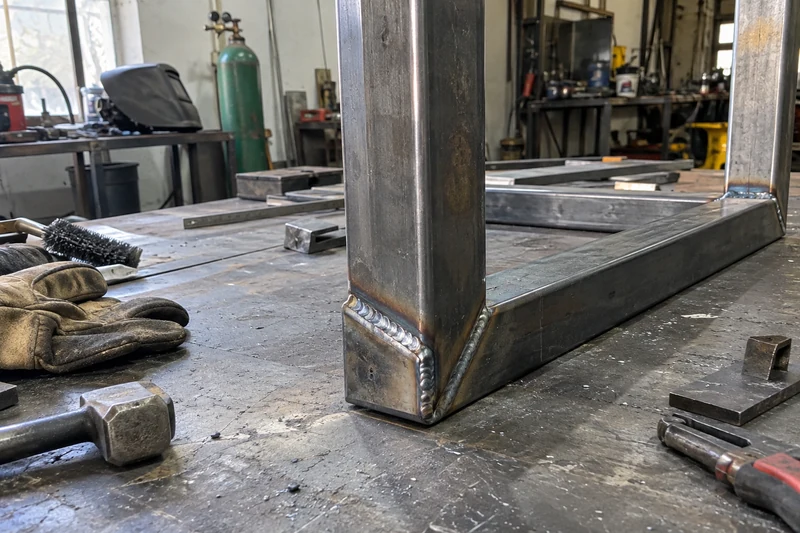
Welded enclosures
State whether seams must seal, which faces are visible and whether any surface is machined after welding.
This page covers the welded item and how its joints are accepted. A full cut, bend, weld and finish package belongs with sheet metal fabrication, and wider functional integration with assembly. Press-formed parts made before or instead of joining are covered by metal stamping.
Quote response within 24 hours for complete drawings.
Material and documentation requirements
Weldability, heat input, filler selection and the later finish all depend on the materials you specify. Name them exactly, together with any document the order must carry.
Material details to send
- The material grade of each component.
- Thickness or section size.
- Surface condition and any coating already present.
- Dissimilar metals in the same joint.
- Heat-sensitive components next to a weld.
Documents to name in the inquiry
- Material traceability, if required.
- The welding standard that applies, named exactly.
- Procedure qualification and welder records, if required.
- Material certificates.
- Who accepts each document.
Do not assume a general welding quote includes procedure qualification, welder records or material certificates. If you need them, state them in the inquiry.
Joint design and weld callouts
A weld symbol without a functional requirement leaves strength, sealing or appearance open to interpretation. Show the joint and say what it must do.
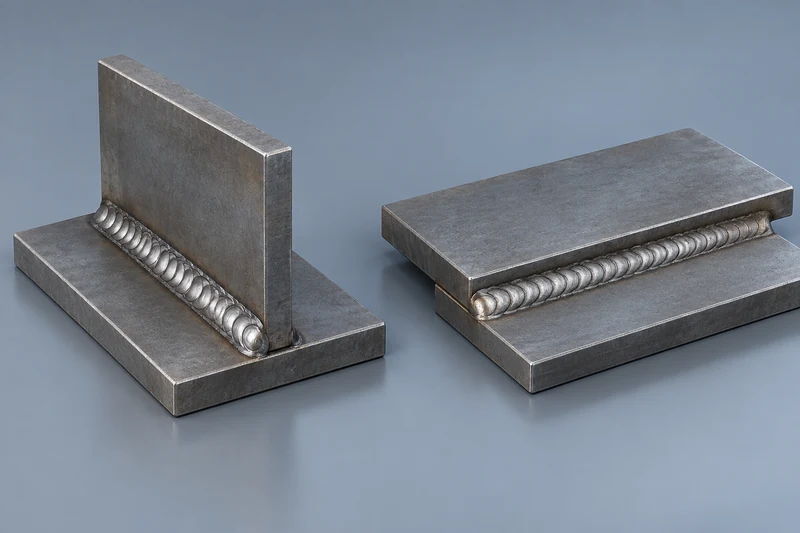
Joint type and fit-up
Show the joint type, the fit-up and the weld size and length on the drawing.
Weld extent
State whether the weld is continuous, intermittent, one-sided or ground later, and mark any intentional unwelded area.
Access
Allow access for the torch, the clamp and the inspection method.
Hidden joints
If a joint is hidden after assembly, decide how it is verified before the item is closed.
Weld placement
Reference critical weld positions to part datums and the final assembly drawing.
Choosing the welding process
The process follows material, joint access, volume, finish and the evidence you require. A method that suits a thin cosmetic joint may differ from one chosen for structural performance.
We weld your part in our own factory, and your quote names the proposed process.
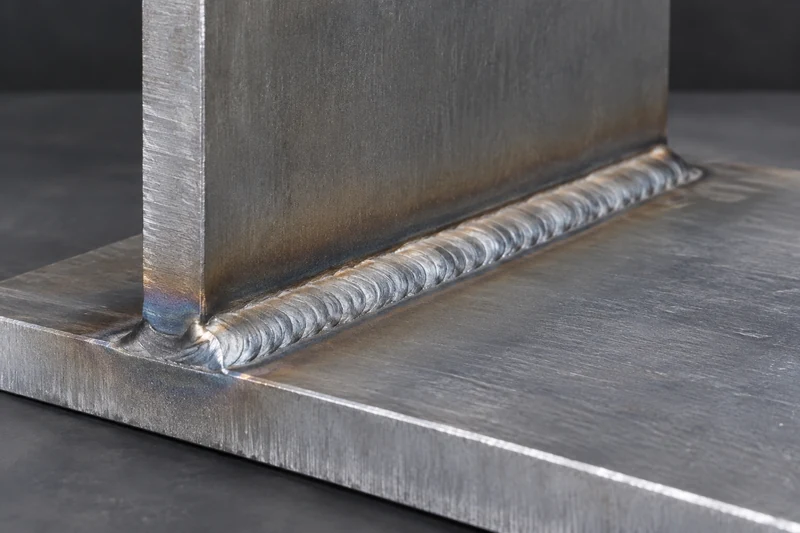
What drives the choice
Material, joint access, volume, finish and the required evidence together set the route.
What the quote names
The proposed process and any filler, gas, preparation or post-weld treatment it needs.
Formal requirements
If your project needs a qualified procedure or qualified personnel, name the standard and ask for current evidence before you release the order.
Fixturing and fixture ownership
A fixture holds the components in position while tack and final welds are made. Define what it locates on, and agree who pays for it and who owns it.
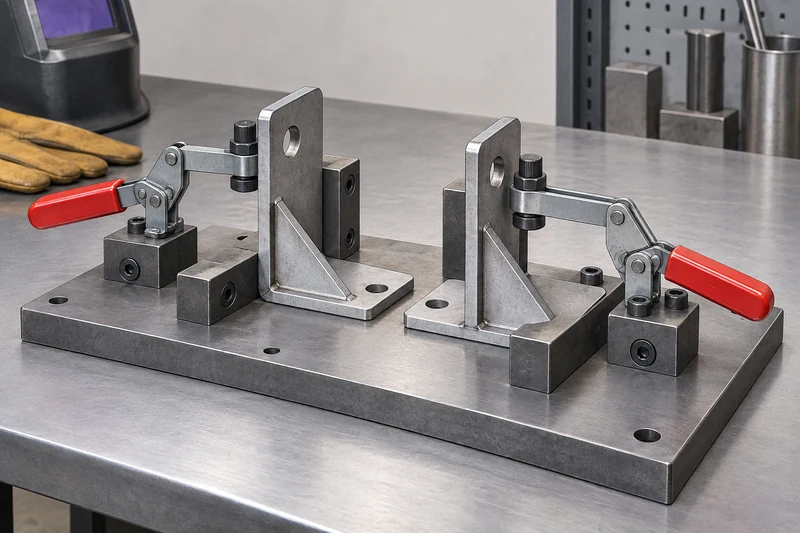
| Item | What to define or agree |
|---|---|
| Locating surfaces | The surfaces the fixture locates the parts on. |
| Clamp-free areas | Dimensions and faces that must stay free of clamp damage. |
| Joint access | The access needed to complete and inspect each joint. |
| Fixture cost | Whether it is quoted separately. |
| Ownership | Who owns it, and whether it is kept for repeat orders. |
| First article | An assembly check that the fixture datum matches the functional datum. |
What to define or agree The surfaces the fixture locates the parts on.
What to define or agree Dimensions and faces that must stay free of clamp damage.
What to define or agree The access needed to complete and inspect each joint.
What to define or agree Whether it is quoted separately.
What to define or agree Who owns it, and whether it is kept for repeat orders.
What to define or agree An assembly check that the fixture datum matches the functional datum.
Need a dedicated fixture? Ask for its cost and ownership terms in the quote.
Distortion and post-weld dimensions
Heat can move holes, flanges and mating faces even when the weld is sound. Tell us which dimensions must hold after welding and which corrections you allow.
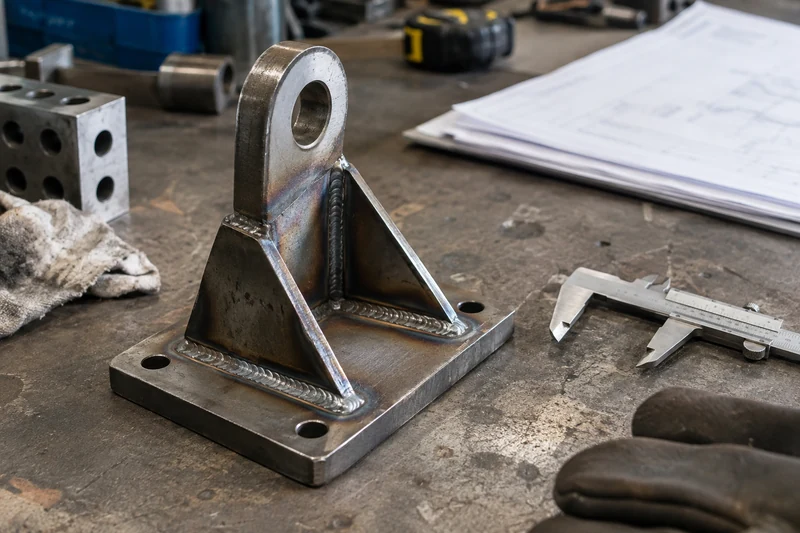
Name post-weld dimensions
List the critical dimensions that are measured after welding.
Allow corrections
Say whether machining, straightening or a controlled weld sequence is allowed.
Leave machining stock
If a surface is machined after welding, give the stock allowance and a usable final datum.
Ask how it is held
Ask us how the item is held and checked through the process.
Weld appearance and acceptance
Define what is visible and what is functional. A clean-looking bead does not by itself establish strength or soundness.
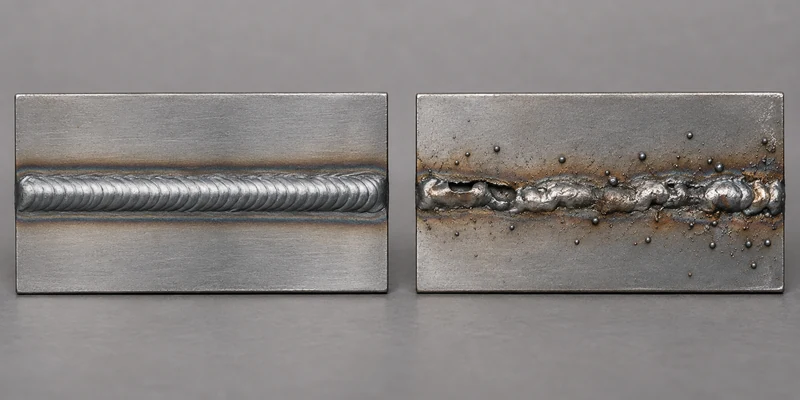
For a visible seam
- Smooth profile and controlled spatter.
- Permitted grinding and discoloration.
- Allowed undercut and porosity appearance.
- Limits on damage to the adjacent surface.
- An approved sample to show the finish.
For a load-bearing joint
- Acceptance criteria tied to the joint's function.
- The applicable standard, named on the drawing.
- A test plan beyond visual appearance where the function needs it.
If the item will be coated, agree how the weld and the surrounding surface are cleaned before treatment.
Put the code or standard in the RFQ
Production and inspection come next. If a welding code, procedure or test applies to your part, name it in the RFQ and ask for current evidence against that exact requirement before you release the order.
Welding production in one factory
Production planning connects material identification, component preparation, fixture setup, weld sequence, inspection and final finish. Every step runs in our own factory, so one team is responsible for final conformity.
Welding is not passed to another facility, so procedure control stays with the same team.
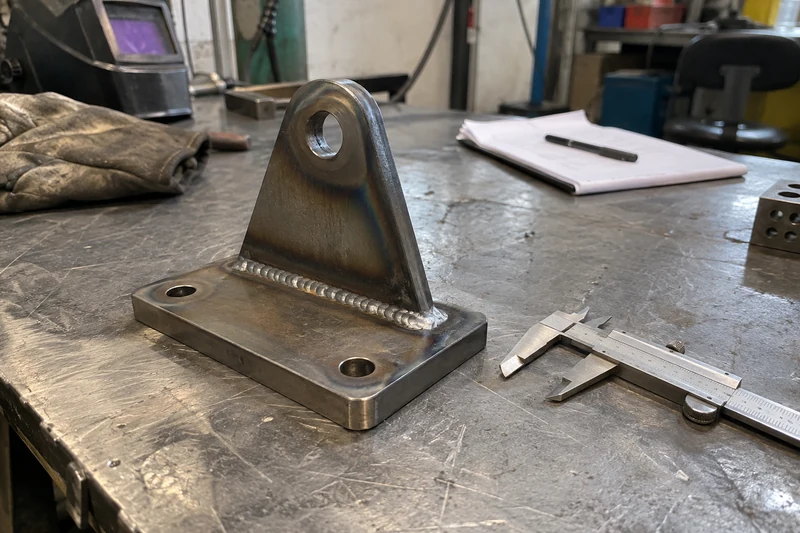
Preparation and fit-up
Ask how components are identified and prepared before they go into the fixture.
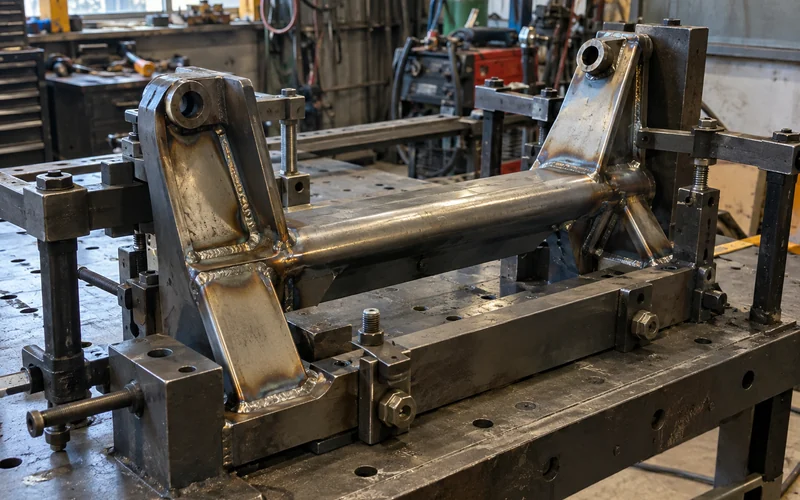
Weld sequence
Ask how the weld sequence is set for your part and kept the same from lot to lot.
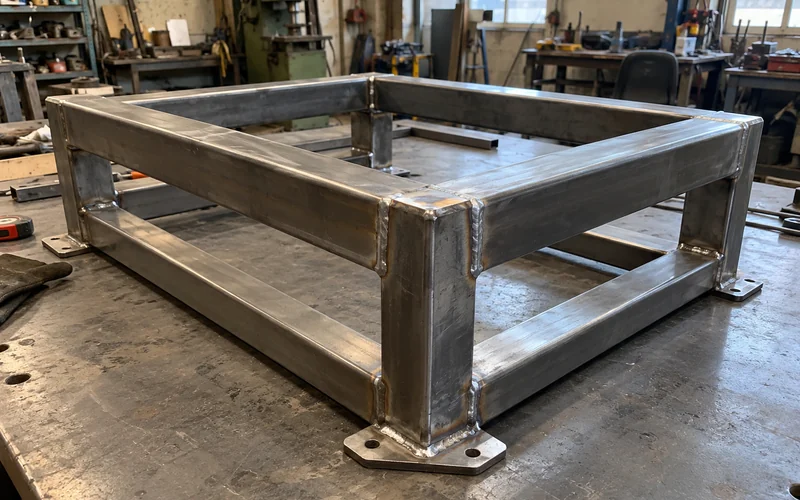
Finished item
Approve a sample of the welded item against your drawing before volume production starts.
Sample sign-off before production.
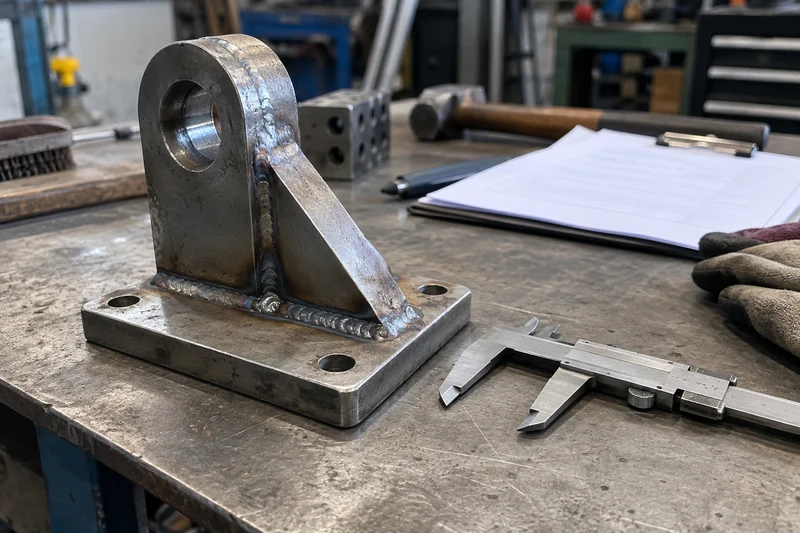
Weld inspection by joint function
Set inspection by the joint's function and the standard it must meet, and agree who issues each report before production starts.
Each report should reference the drawing revision and material lot, and state which tests are done before coating. The inspection record is agreed for each order.
| Check | What it covers | Agree in the RFQ |
|---|---|---|
| Visual | Profile, continuity and surface defects. | Criteria or an approved sample. |
| Dimensional | The final assembly after welding. | Datums and any fixture used. |
| NDT or leak test | Structural or sealed joints, where required. | Method, coverage, acceptance limit and who performs it. |
| Reports | The record of each check. | Who issues it, and the revision and lot it references. |
What it covers Profile, continuity and surface defects.
Agree in the RFQ Criteria or an approved sample.
What it covers The final assembly after welding.
Agree in the RFQ Datums and any fixture used.
What it covers Structural or sealed joints, where required.
Agree in the RFQ Method, coverage, acceptance limit and who performs it.
What it covers The record of each check.
Agree in the RFQ Who issues it, and the revision and lot it references.
Quote inputs for a welding RFQ
Send the full set, and ask the quote to separate fixture cost, welding, post-weld correction or machining, finish and testing.
Assembly and components
The assembly drawing plus a drawing for each component.
Materials
Material grades and thicknesses for each component.
Weld requirements
Weld symbols, or the functional requirement where symbols are incomplete.
Post-weld dimensions
The critical dimensions measured after welding.
Finish and volume
The finish and the order volume.
Inspection documents
The inspection documents and tests you require.
State whether components arrive cut and formed, or whether cutting and metal bending are part of the order. A code or qualification requirement is checked against current evidence before it becomes part of the quote.
Quote response within 24 hours for complete drawings.
Metal welding FAQ
Short answers to the questions that usually come up before a welding quote.
Can a welded item be quoted from component drawings alone?
An initial review is possible, but a firm quote needs the assembly relationship, joint locations, function and post-weld dimensions. Send a marked assembly sketch if a formal drawing is not ready.
What if weld symbols are incomplete?
Describe whether the joint carries load, seals, locates parts or is visible. Weld size, extent, access and the acceptance method are then agreed before pricing and production.
Should fixture cost appear separately?
For a dedicated fixture, yes: state its cost, ownership, storage and reuse terms. The quote should say whether fixture development and first-article adjustments are included.
How should stock be reserved for post-weld machining?
Define the final machined datum and surface, then add a reviewed allowance before welding. Confirm the assembly can be held and reached for the finishing operation.
Is a cosmetic weld inspected differently from a load-bearing weld?
Yes. Cosmetic criteria focus on visible profile and surrounding finish; load-bearing acceptance follows function, the drawing and any applicable standard. A visual check does not replace that test plan.
Does HONGYI hold a specified welding qualification?
Ask for current documents that cover your exact process, material, personnel and standard. Put the requirement in your RFQ and check the evidence before you release the order.
When are nondestructive or leak tests needed?
When the governing drawing, code or function calls for them. State the method, coverage, acceptance threshold and report requirements; do not assume a standard visual check includes them.
Can dissimilar metals be welded without a trial?
Do not assume they can. The material combination, joint design, corrosion environment and required performance need review, and representative testing may be necessary.
Who is responsible if welding distortion exceeds the drawing?
We are, because the welding and any allowed correction run in our own factory; the contract states which corrections are allowed. Measure the relevant dimensions after welding with an agreed fixture or datum scheme.
How much weld cleaning is included before coating?
Define spatter removal, slag or oxide cleaning, grinding and surface-preparation limits in the quote. The coating process may add its own preparation requirements.
Request a metal welding quote
Send the assembly drawing and tell us what each joint must do. Parker reviews it and replies with questions or a quote.

Parker
Your Metal Welding Contact, HONGYI
I'm Parker. Send me the assembly and component drawings, the materials, what each joint must do, the critical dimensions after welding, the finish and any required tests.
If your project invokes a welding code or qualification, include the exact requirement so it can be checked against available evidence before you order.
- Reply within 24 hours
- In-house production
- Drawings kept confidential