China Injection Mold Tooling Service
An injection mold is a production asset with its own design decisions, acceptance steps and handover terms. We build and trial your mold in our own factory. If the tool itself is your deliverable, settle who owns and maintains it before you compare prices.
- Send the part CAD, intended resin, expected volume and critical features.
- Say whether you want the mold only or molded parts as well.
- State where the tool must run and who receives it at the end.
- In-house production
- ISO 9001
- 24h quote response
- 80+ countries
What to settle before a mold quote
Jump to the scope, trial or ownership question you need to settle first.
Tooling Scope
Mold only, mold plus parts, or transfer
Tooling Inputs
Part data that defines the tool
Mold Design Review
Gate, parting, cooling and ejection
Mold Materials
Steel, mold base and wear parts
Mold Build
Every build step, in our own factory
T1 and Corrections
First trial, issue list, correction rules
Tooling Inspection
Tool records versus sample records
Ownership and Transfer
Owner, custodian and handover package
Quote Inputs
One package, tool cost kept separate
Tooling FAQ
Ten questions buyers ask first
Request a Quote
Send your mold RFQ to Parker
Tooling scope starts with the deliverable
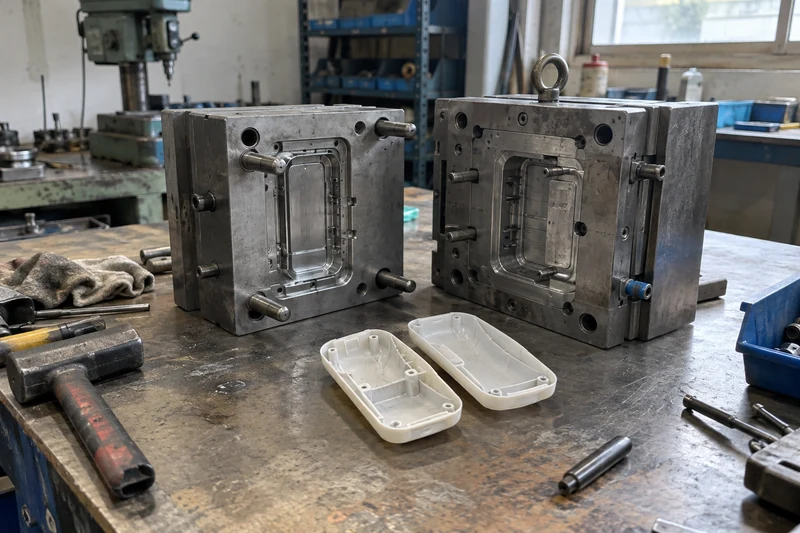
Decide what you are buying before you compare prices: a new mold, a new mold plus molded parts, or the transfer of a mold that already exists. Each route is accepted differently.
Which route applies to your project is confirmed in the quote, together with what you receive at acceptance.
| RFQ route | Define before pricing | Acceptance object |
|---|---|---|
| New mold only | Design responsibility, destination press, handover package | Tool, agreed trial evidence and documents |
| New mold plus molded parts | Tool ownership, sample approval, production release | Tool status and approved parts |
| Existing mold transfer | Condition, missing files, spare parts, destination equipment | Qualified tool and first approved run |
Define before pricing Design responsibility, destination press, handover package
Acceptance object Tool, agreed trial evidence and documents
Define before pricing Tool ownership, sample approval, production release
Acceptance object Tool status and approved parts
Define before pricing Condition, missing files, spare parts, destination equipment
Acceptance object Qualified tool and first approved run
A tooling fee does not by itself buy a transferable mold. List the physical tool, design files, trial records and transfer rights as separate lines in the commercial scope.
Quote response within 24 hours for complete drawings.
Buying parts rather than a mold?
If the molded part is what you need and the mold only serves it, start with plastic injection molding, or compare the molding project routes first. If the tool itself is your deliverable, the next step is the data that defines it.
Inputs that shape the mold
The tool has to reproduce a specific part under defined production conditions. Send a revision-controlled 3D model and 2D drawing; each input below goes into the tool design.
If the mold will run at another facility, describe that press: tie-bar space, platen, mounting, ejector and utility requirements. Mark any detail you do not know yet as an open item.
If an existing part sample controls appearance or assembly, send it with its approval status.
Part geometry and revision
Sets the parting line, undercuts, steel-safe changes and cavity layout, so the tool is built to one controlled revision.
Resin and appearance
Drives the shrinkage assumptions, gate location and surface treatment. Name the resin, color, appearance surfaces and critical fits.
Expected demand
Shapes the cavity strategy, maintenance plan and mold material. A likely annual volume is enough to start the review.
Destination press
Defines the mold envelope, mounting, ejection and service connections. A dimensionally correct mold can still be unusable on the press it must run on.
Acceptance plan
Names the trial samples, dimensions and records that must be supplied before you accept the tool.
Mold design review before steel is cut
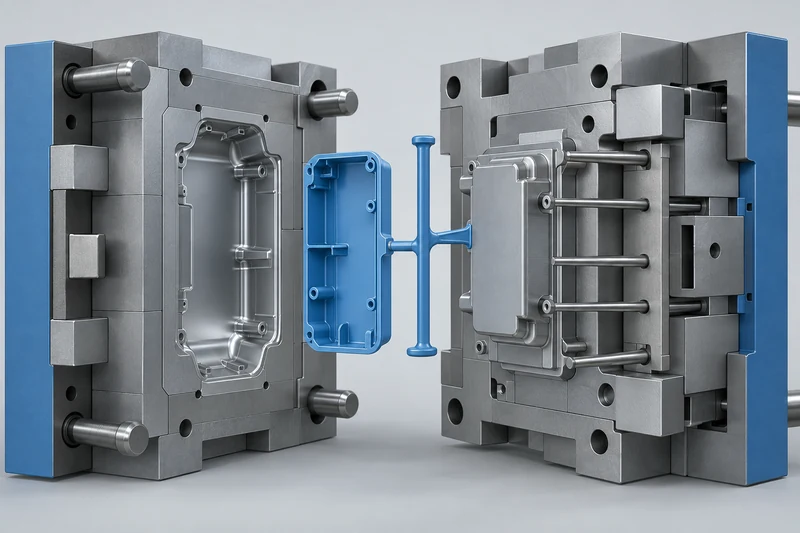
A design review connects the part's functional surfaces to the tool's parting line, gate, cooling, venting and ejection. These are approval questions for you, not hidden shop decisions.
Questions to ask in the review
- Where will gate vestiges and ejector marks appear?
- How will each undercut release?
- Which features are expected to move during sampling?
- How does the parting line meet the functional surfaces?
- For a multi-cavity tool, how are cavities identified and compared?
What the review output records
- The design assumptions you accepted.
- The open risks still to close.
- Any change in resin, visible-face standard or assembly fit, documented before steel is cut.
- The agreed method for cavity-to-cavity comparison.
Next, match the mold materials to the duty.
Mold materials for the duty
Tool steel, inserts, mold base and wear components are chosen against the resin, production duty, surface finish and repair plan. A grade name alone does not define how a mold performs.
Specify more than a grade
Add heat treatment, hardness targets where relevant, component traceability and an agreed substitution process to the steel grade.
Name who approves parts
State who approves the mold base and critical purchased components. For a mold that may move plants, ask for maintainable standards and a spare-parts list.
Compare specified and proposed
The quote separates the material you specified from any proposed alternative and explains the tradeoff in service or maintenance terms.
Next: how we build the tool in our own factory.
Mold build in one factory, step by step
A mold build can run from design finalization through core and cavity machining, fitting, polishing or texture, assembly and trial. Every step runs in our own factory, so one team answers for the tool from steel to first trial.
Your quote states the point at which a change becomes a new cost or schedule item. A schedule is only useful when the design-freeze and sample-approval gates are named.
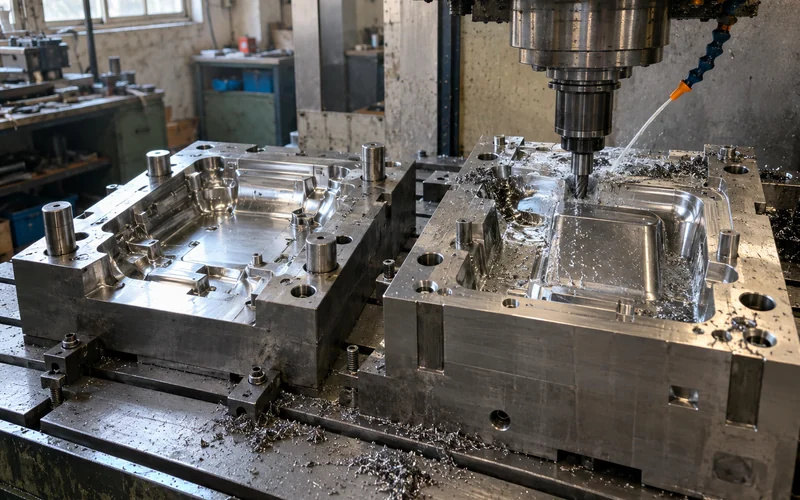
Core and cavity machining
We machine the core and cavity in our own factory, against the frozen design revision you approved.
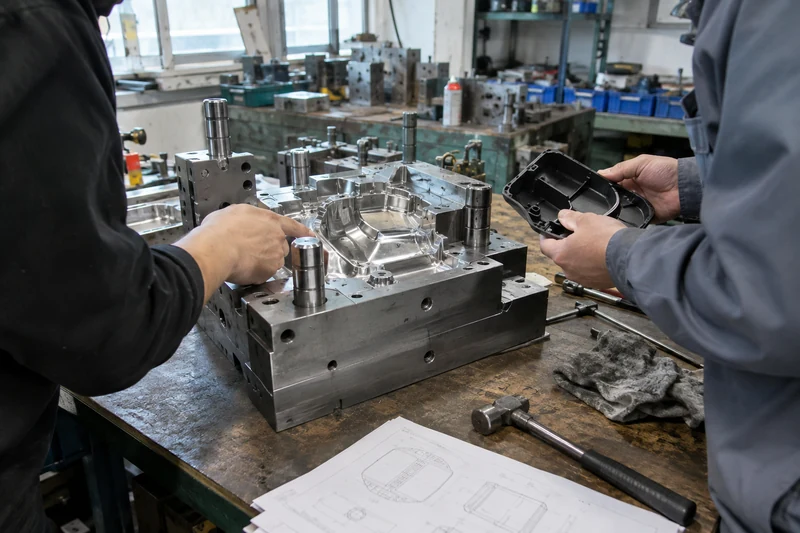
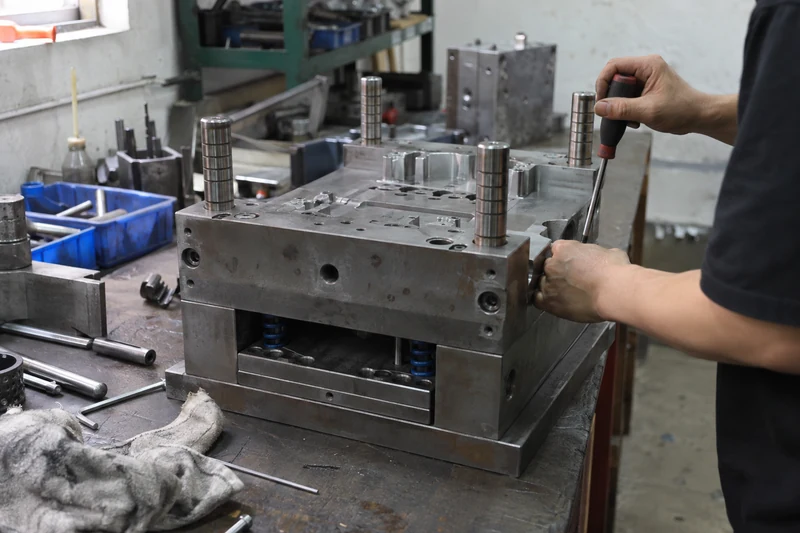
Fitting and assembly
Fitting, polishing or texturing and assembly are done in our own factory. Ask how finished surfaces are signed off.
Mold trial
The first trial runs on a press in our own factory, and we record the results you receive.
T1 is a trial, not an approval
T1 is the first structured trial of the mold, not automatic part approval. Agree how it is run and judged before the tool is shot for the first time.
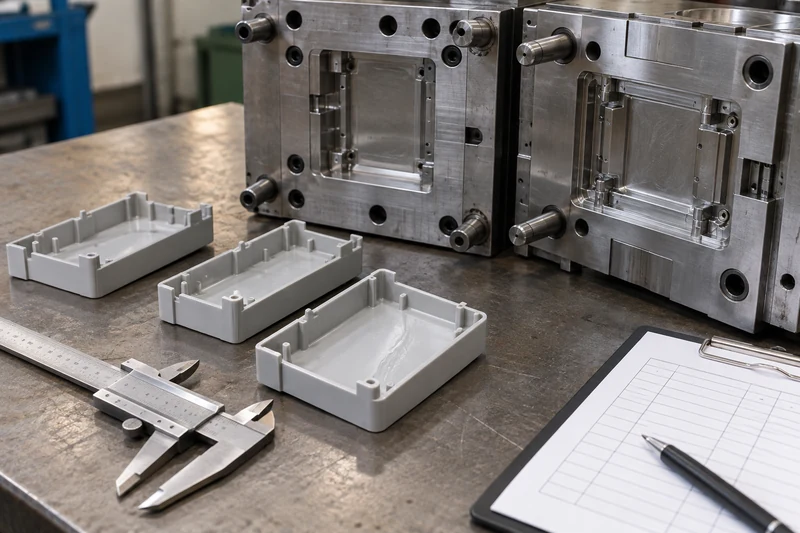
Agree the trial
Set the trial resin and settings, the number and ID of samples, the dimensions to report and who judges appearance and function.
Log every issue
Record each issue with a proposed action: tool correction, processing adjustment, part-design change or an approved deviation.
Set correction rules
The quote states which correction rounds are included, which changes need new approval and who pays for changes from a revised drawing.
Link samples to revisions
Tie each new sample to the tool revision and test condition, so T1 approval is never mistaken for production release.
Sample sign-off before production.
Two records, two questions
Inspect the tool against its approved build definition and the trial parts against the part drawing. The two records answer different questions, so ask for both.
Specify the records you need before the trial. Which inspection methods and records apply to your tool is agreed in the quote.
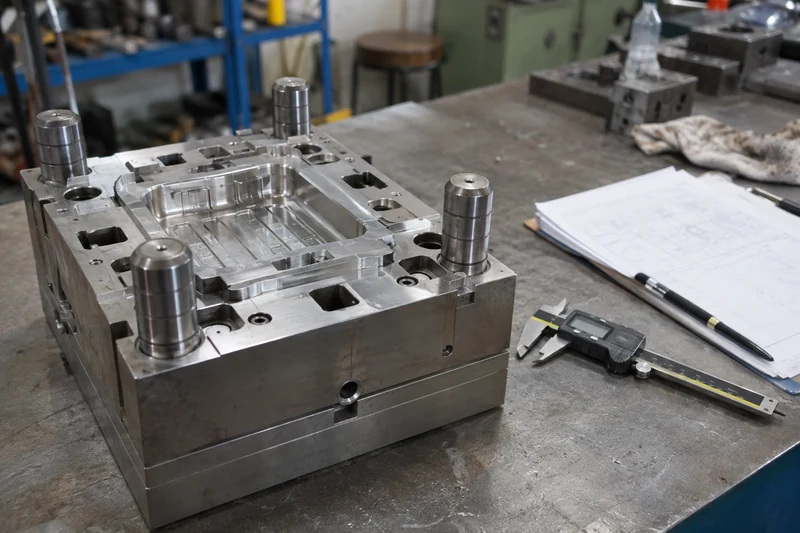
Mold dimensional report
Checked against the approved build definition. It may cover interfaces, core and cavity features, component fit and identified wear elements.
Sample inspection report
Checked against the part drawing. It shows the critical part characteristics, the identified cavity and the measurement method.
Trial record
Lists the drawing revision, identified cavities, inspection equipment, sample count and the person with acceptance authority.
Tool ownership, in writing
Put the asset terms in writing before the tool is made. Tool payment alone does not settle who owns, holds, maintains or may move the mold.
Ownership, storage, maintenance and transfer are answered in your quote or supply agreement, project by project. Use the tabs as the questions to put to it.
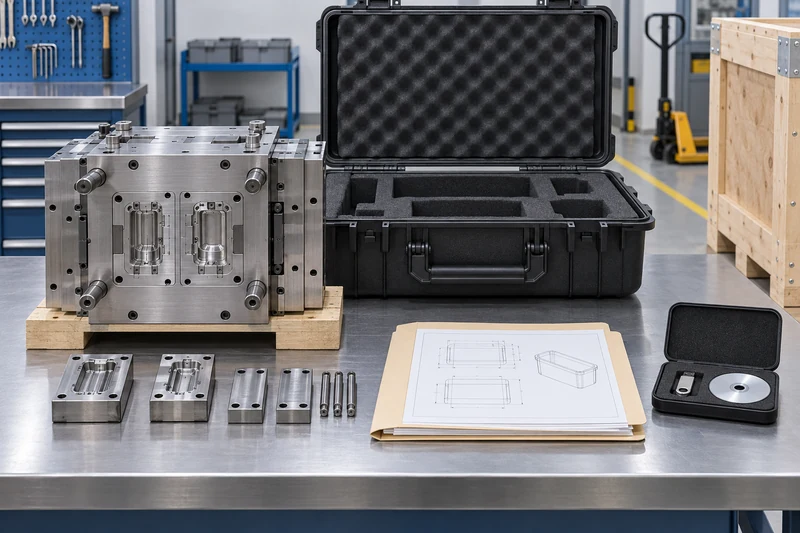
Quote inputs that keep tool cost separate
Send one package that lets the quote separate tool cost from parts, trials, changes and transfer. Where an item is still open, ask for an option rather than a silent assumption.
Include in one package
- Revision-controlled part CAD and 2D drawing, plus an approved physical sample if one exists.
- Resin, color, finish and critical dimensional or appearance criteria.
- Expected annual and total demand; a cavity count only if it is already fixed.
- Destination press and plant if the mold ships to you; otherwise it runs in our own factory.
- Mold-only or mold-plus-parts scope, sample quantity and approval authority.
- The ownership, storage, maintenance, spare-parts and transfer terms you need.
Ask the quote to state
- Assumptions and exclusions.
- Design review scope.
- T1 scope and correction rules.
- Inspection documents.
- Handover contents.
Quote response within 24 hours for complete drawings.
Injection mold tooling FAQ
Short answers to the questions that come up before a mold is quoted.
Can I order the mold without ordering production parts?
A mold-only order is a separate commercial scope, and your quote confirms whether it applies to your project. State that the tool is the deliverable, where it will run and which trial and handover records you need.
Does paying the tooling charge automatically give me ownership?
No ownership conclusion follows from the charge alone. The agreement should name the owner, the custodian and your rights to remove the tool and to receive drawings, spares and records.
How should T1 and later corrections appear in the quote?
List the trial conditions, sample quantity, report scope and included correction rounds. Separate tool defects from changes to the approved part design, and name who authorizes each extra step.
Must I specify a steel grade or mold-base brand first?
Only if they are mandated; then send the specification. Otherwise give the resin, expected duty, finish, production site and maintenance expectations so a material proposal can be reviewed before approval.
How is consistency checked across multiple cavities?
Identify every cavity in the sample and inspection record. Agree the key characteristics, sample plan and allowable variation before approving a multi-cavity tool.
What should be delivered if the mold moves to another plant?
The contract should list the tool and inserts, spare parts, current drawings, component list, maintenance history, process information and latest trial records, plus destination compatibility and packing responsibility.
Who pays for storage and maintenance?
When the mold runs in our factory, we store and maintain it there; your quote or supply agreement states who pays for routine maintenance, wear items and any storage or insurance charges. Agree these terms before the tool is built.
Who runs the mold trial and approves the parts?
We run the trial in our own factory; the quote names the resin, machine conditions and sample recipient, and you name the final approval authority. A successful machine run does not replace written part approval.
What should be checked before accepting a transferred mold?
Review ownership and files, inspect wear at gates, parting faces, slides and ejection, and check cooling, utilities and fit to the destination press. A qualification trial may be needed before production release.
Can tool life be guaranteed without operating data?
A life commitment needs the resin, expected volume, operating conditions, maintenance plan and defined failure criteria. Ask for an explicit proposal and warranty boundary rather than a generic shot-count promise.
Request a mold tooling quote
Send the part files and tell us what the tool must deliver. Parker reviews them and replies with questions or a quote.

Parker
Your Injection Mold Tooling Contact, HONGYI
I'm Parker. Send me the part files, resin, production target, tooling status and the ownership or transfer terms you need.
Tell me whether you need a mold only, approved trial samples or molded parts as well, and name the destination press if the tool will leave our factory. The quote confirms which scope applies.
- Reply within 24 hours
- In-house production
- Drawings kept confidential