
China Assembly Service
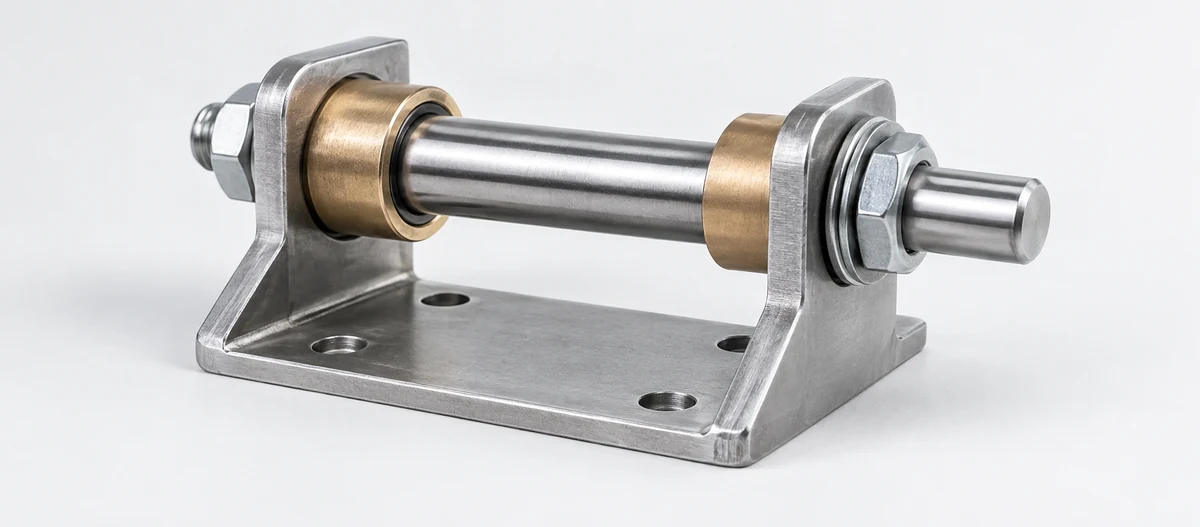
A mechanical subassembly is more than the sum of its parts. The BOM, part revisions, mating interfaces, assembly steps and final checks must all describe the same finished unit.
- Send the assembly drawing, the controlled BOM and the component supply split.
- Mark critical fits, fastening requirements and the functional or fit checks.
- State how the unit must be packed and identified for receiving.
- In-house production
- ISO 9001
- 24h quote response
- 80+ countries
What defines your assembled unit
Jump to the scope, BOM, joint, check or packing question you need to settle first.
Assembly Scope
What the delivered unit includes
BOM and Components
Revisions, sources and supply split
Interface Requirements
Fits and datums that decide function
Fastening and Joining
Bolts, press fits, adhesives, welds
Assembly Fixtures
Locating, protecting and releasing
Assembly Execution
One team builds and signs off
Functional Checks
The test that proves it works
Traceability and Packing
Unit identity and transit protection
Quote Inputs
What to send for an assembly quote
Assembly FAQ
Ten questions buyers ask first
Request a Quote
Send your assembly drawing to Parker
Assembly scope and the delivered unit
Define the unit you receive and where its boundary sits. The scope sets what we are responsible for: fit, missing parts, tests and packaging.
This service covers mechanical assembly against a BOM and drawing. Electrical wiring, controls integration, PLC programming and production-line installation are outside it and need their own scope and agreement.
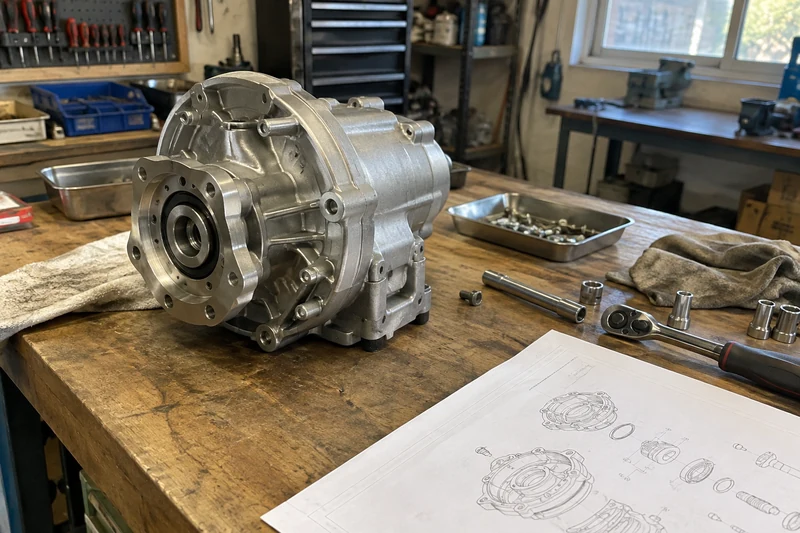
Mechanical subassembly
Components joined with installed fasteners and delivered as one unit, so fit and the agreed checks apply to the finished item.
Complete enclosure
A housing with its parts in place. Define which faces, fits and checks decide acceptance of the whole enclosure.
Packed component set
Loose components packed together, not assembled. Completeness, identification and packing become the main acceptance points.
If the purchase is mainly a welded part, see metal welding. For single machine components and fixtures, see industrial automation components.
Quote response within 24 hours for complete drawings.
BOM and component responsibility
The BOM should name every item in the unit and who supplies it. When the assembly drawing and BOM disagree, the revision is settled before quoting or work starts.
Agree how substitutions are proposed and approved. We make the custom parts in our own factory, and your quote marks each BOM line as made by us, bought in as a standard item or supplied by you.
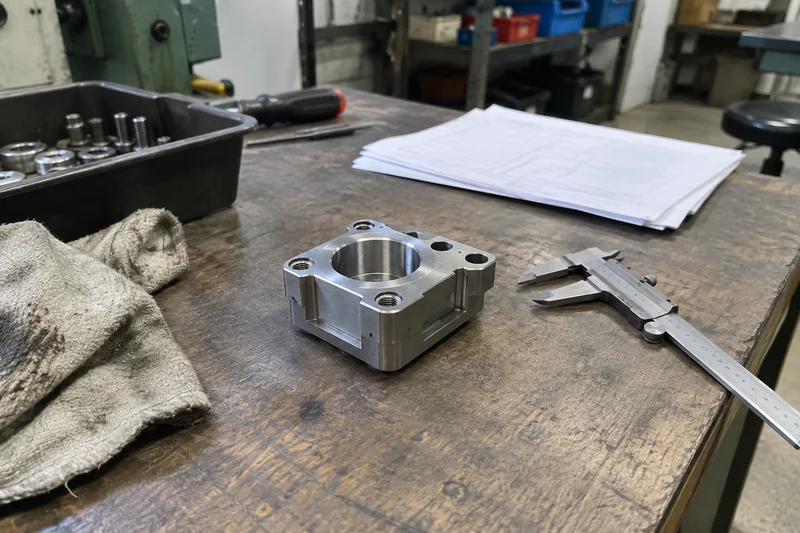
What each line should state
- Part number and revision.
- Quantity per unit.
- Material or approved source.
- Supply responsibility.
- Fasteners, bearings, seals, labels and consumables that an assembly image leaves out.
When you supply components
- Incoming condition the parts arrive in.
- Lot traceability from supplied lot to finished unit.
- Shortage handling when a delivery is short.
- Loss allocation for damage or process loss.
Interface requirements that decide function
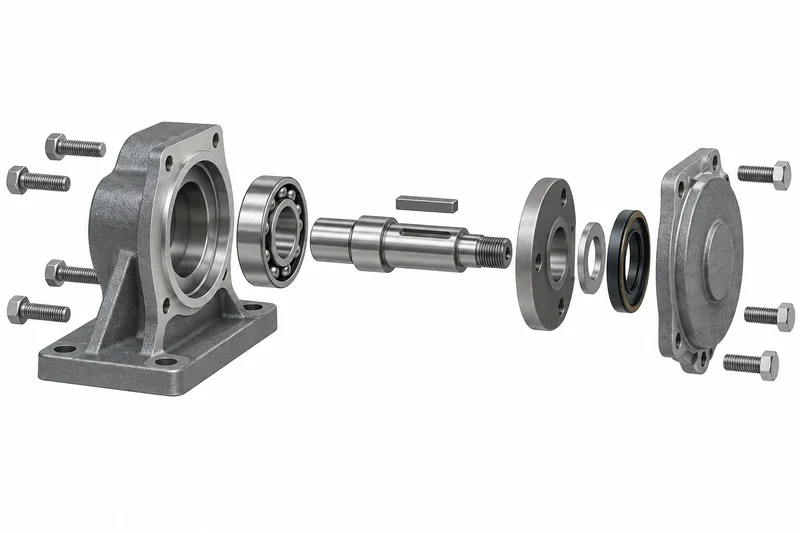
A stack of individually conforming parts can still fail at assembly if the datum scheme is unclear. Identify the dimensions and surfaces that decide function.
Some dimensions belong on component drawings; others only make sense after assembly. Show the mating parts, the inspection state, and whether a fixture, gauge or functional mating piece decides acceptance.
| Function | What to show on the drawings |
|---|---|
| Alignment | The datum scheme shared by the mating parts. |
| Shaft runout | The shaft, its supports and the reference axis. |
| Bearing fit | The bore, the shaft and the required fit. |
| Clamp position | The clamping faces and their location. |
| Travel | The moving parts and the required range. |
| Sealing | The sealing faces and the mating seal. |
What to show on the drawings The datum scheme shared by the mating parts.
What to show on the drawings The shaft, its supports and the reference axis.
What to show on the drawings The bore, the shaft and the required fit.
What to show on the drawings The clamping faces and their location.
What to show on the drawings The moving parts and the required range.
What to show on the drawings The sealing faces and the mating seal.
Not sure where a fit should be checked? Send the assembly and component drawings together.
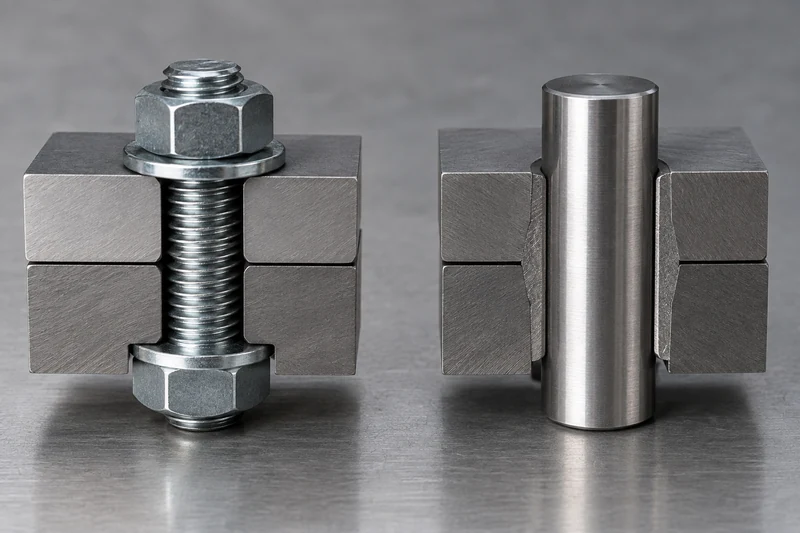
Fastening and joining you can verify
Specify each joint so it can be checked, not just assembled. A note to "assemble securely" does not create a verifiable acceptance criterion.
Decide which operations need recorded parameters and which can be checked by the final function test.
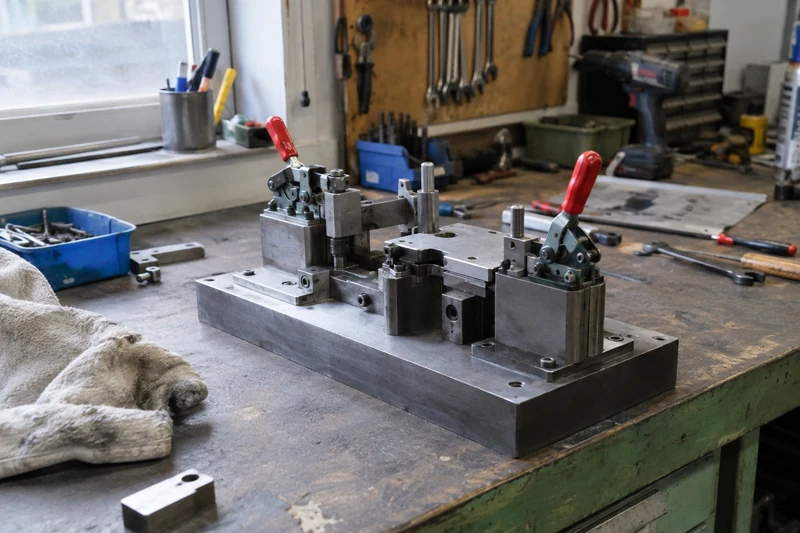
Assembly fixtures and final state
Fixtures locate parts, protect finished surfaces and make pressing or fastening repeatable. A unit that looks right in the fixture can still shift after release.
Whether your unit needs a dedicated fixture is reviewed with the drawing and stated in the quote.

Name the datums
Identify the datum surfaces the fixture locates and the point at which it is removed.
Check the final state
Specify the check that proves the unit is still correct after the fixture is released.
Approve the design
If a dedicated fixture is needed, approve its design before it is built.
Agree ownership
Settle the fixture's cost, ownership and storage between orders.
Define the unit before the price
Send the assembly drawing, BOM and supply split together. The review checks that they describe the same finished item, and the next section shows how we assemble, check and release each unit in our own factory.
Assembly execution and ownership
Before you order, you should know how your unit will be built and released. We assemble, check and release it in our own factory, and we own final conformity of the finished unit.

Execution plan
Ask for the plan: receiving checks, component preparation, assembly order, in-process checks, rework rules and final release.

Unit-level control
Revisions and substitutions are controlled at the level of the finished unit, not only the single part.

One owner
Custom parts, assembly and final checks stay in-house, so one team answers for the unit from components to release.
Sample sign-off before production.
Functional checks before release
Agree the test that proves the unit works as intended. When the specification calls for a functional result, appearance alone is not enough to release it.
The functional test and its record are agreed for your unit before production starts.

Test definition
Name the function: fit, movement, load, leakage or another defined result.
Test record
State the setup, conditions, acceptance limits, frequency and record format.
Certificate or test
A component certificate is not a complete-assembly test. Say which one each requirement needs.
Traceability and packing for each unit
Choose the identification level the application needs, then protect the assembled interfaces in transit.
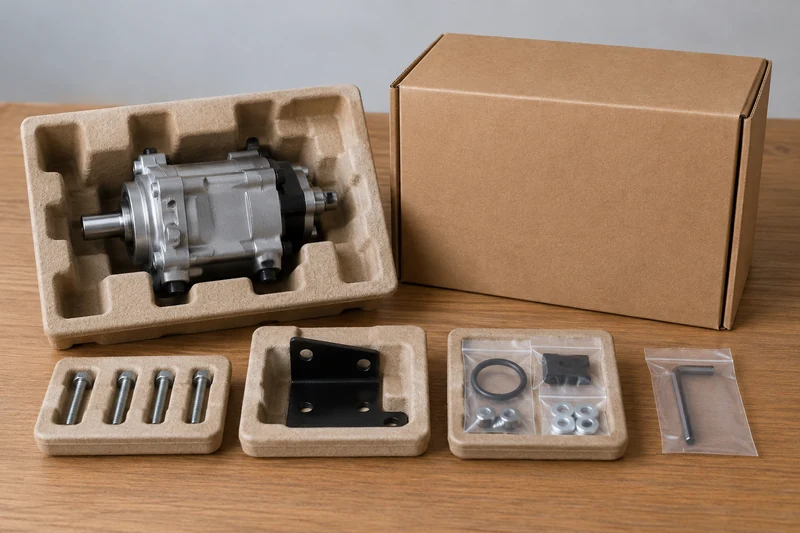
Identification level
Serial number, lot identifier or a part and revision label. The choice follows the application, component traceability and service needs.
Reworked units
Link any reworked unit to its replaced parts and the repeated test result.
Restrain the unit
Packaging should stop movement, metal-to-metal contact and loose hardware in transit.
Protect finished faces
Keep finished faces and assembled interfaces from taking load or damage.
Count the accessories
Identify accessories packed with the unit and label their quantity for receiving.
Assembly quote inputs
A complete request lets the assembly scope, checks and costs be separated before pricing. Send what you have and mark what is still open.
Include in your request
- Assembly drawing and component drawings.
- Controlled BOM and supply split.
- Forecast quantity.
- Critical interfaces.
- Fastening or joining specifications.
- Functional test and packaging requirement.
- Reference parts or fixtures that decide fit.
What your quote should state
- Supplied components, assembly labor, dedicated fixtures, tests and packing as separate items.
- The final acceptance criteria.
- Exclusions, such as wiring or controls integration, when they are outside the agreed scope.
For repeat or scheduled deliveries of the same unit, see on demand manufacturing.
Quote response within 24 hours for complete drawings.
Mechanical assembly FAQ
Short answers to the questions that usually come up before an assembly quote.
How are losses divided between owner-supplied and supplier-supplied components?
Agree incoming acceptance, trial allowance, handling loss, replacement and return of unused parts in the quotation. Link supplied lots to finished units where traceability is needed.
What if the BOM and assembly drawing have different revisions?
Hold the quote or the work until a controlled matching set is issued. Record the effective revisions on the order and the first-article approval.
Must fastening torque be recorded?
Record it when the design or risk needs proof of joint condition. Specify value, tool, sequence, frequency and record format; otherwise define a suitable final check.
Do press-fit or adhesive steps need separate process review?
Yes. They depend on fit, surface condition, equipment and sometimes cure or load testing, so define their acceptance criteria rather than treating them as generic hand assembly.
Can appearance alone release a unit if no functional test method exists?
Only if the specification genuinely requires appearance alone. When function matters, define a workable test or fit check before release.
How is loosening during transport prevented?
Specify joint retention and a packing design that restrains the unit without loading delicate features. Verify the packaging on a representative unit where shipment risk is real.
Does every unit need a serial number?
Only if service, traceability or regulation requires it. Otherwise lot and revision identification may be enough; define the level you need in the RFQ.
When is a project mainly welding rather than assembly?
When joint design and weld acceptance dominate the deliverable, start with metal welding. A broader mechanical unit can include a welded component with its own acceptance evidence.
Does this service include wiring or PLC commissioning?
No. This service covers mechanical assembly only. Wiring, controls and commissioning are outside that scope and need their own agreement.
How is a reworked unit traced to its revision?
Record the unit identity, original configuration, rework instruction, replaced components and repeated acceptance result. The current released drawing and BOM remain the reference.
Request an assembly quote
Send the assembly drawing and BOM, and tell us what the unit must do. For single machined parts, see CNC machining.

Parker
Your Assembly Contact, HONGYI
I'm Parker. Send me the assembly drawing, the BOM and who supplies each component. Mark the critical interfaces and the functional tests the unit must pass.
Add the expected quantity and the packing requirement. Tell me whether the deliverable is a mechanical subassembly or part of a broader system that needs its own scope.
- Reply within 24 hours
- In-house production
- Drawings kept confidential